
5 reasons your face can look tired even when you get enough sleep
Getting enough sleep does not always change a tired-looking face. Dark circles, under-eye hollows, reduced facial support, uneven skin tone and habitual muscle activity can all create shadows or features that people associate with fatigue.
This means the answer may not be another early night—or treatment focused on one line or one area. Understanding whether the concern comes from the skin, muscles, facial structure or a combination of factors is the first step towards choosing an appropriate approach.
What can make a rested face look tired?
A person may feel well-rested but still notice:
- shadows or hollows beneath the eyes
- dark pigmentation around the eyes
- flattened or less defined cheeks
- a heavy-looking brow
- dull or uneven skin
- lines that pull the expression downwards
- facial tension or a consistently serious expression
These features do not necessarily indicate poor health or inadequate sleep. In many cases, they are related to genetics, facial anatomy, skin quality or gradual changes in the tissues that support the face.
1. Your under-eye anatomy creates natural shadows
The under-eye area is one of the first places people look when deciding whether someone appears tired. However, what looks like a dark circle may not be caused by fatigue.
The skin around the eyes is naturally thin. Blood vessels, underlying muscle and differences in pigmentation may therefore be more visible in this area. Genetics, allergies, skin inflammation and sun exposure can also contribute to discolouration.
In other cases, the darkness is actually a shadow. A natural tear trough, under-eye hollow or prominent fat pad can affect how light falls beneath the eyes. Depending on the angle of the lighting, the area may appear deeper or darker even when the skin itself is not heavily pigmented.
Dark under-eye circles commonly involve more than one factor, including pigmentation, visible blood vessels, thin skin and structural shadowing.
Why identifying the cause matters
Pigmentation and structural shadowing are not the same concern. A topical product intended for pigmentation is unlikely to remove a shadow caused by facial anatomy. Similarly, adding volume may not be appropriate when darkness is mainly caused by pigment, visible vessels or fluid retention.
The under-eye area also requires careful assessment because the skin is thin and the anatomy is complex. Treating it directly is not always the safest or most suitable first step.
2. Changes in the cheeks can make the eyes look more tired
A tired appearance may appear to come from the eyes when the underlying change is actually in the midface.
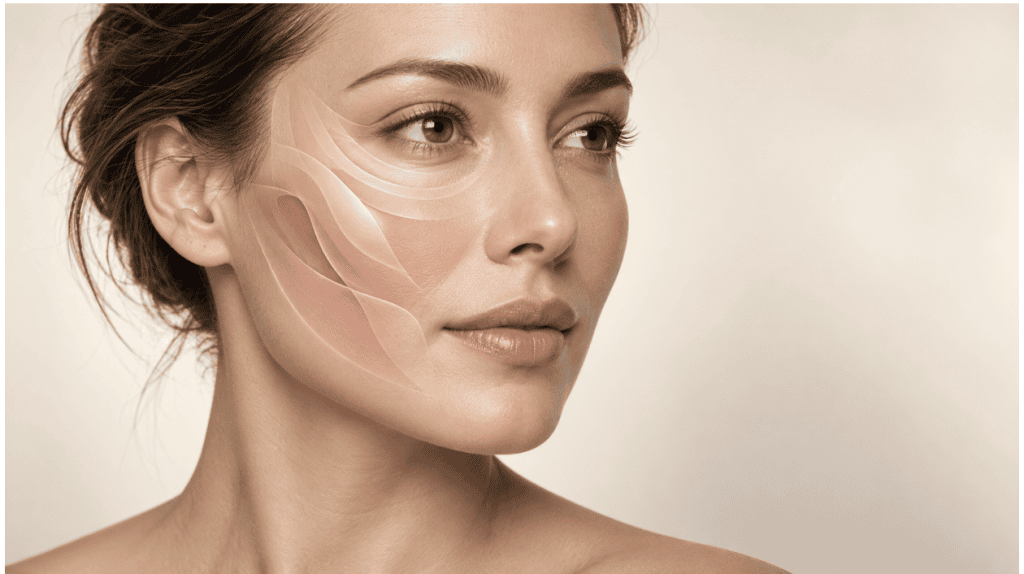
The cheeks help support the transition between the lower eyelids and the rest of the face. Over time, changes can occur across several anatomical layers, including:
- facial bone
- deep and superficial fat compartments
- retaining structures
- muscles
- skin
When the cheek becomes flatter or loses forward projection, the transition from the lower eyelid to the cheek may become less smooth. This can increase shadowing around the tear trough and make the eyes appear more hollow.
Facial fat is arranged in separate compartments rather than one continuous layer. These compartments do not all change at the same rate, which is why one part of the face may appear flatter while another becomes heavier or more prominent.
It is not simply a matter of “adding volume”
Facial volume should not be assessed in isolation. Adding product directly beneath the eyes without considering the cheeks and surrounding proportions may not address the main source of the shadow.
Equally, more volume does not automatically produce a fresher appearance. Poorly selected or excessive treatment may make the face appear heavy or alter its natural proportions.
Where structural treatment is being considered, the aim should be to understand where support has changed and whether subtle restoration would improve the way light moves across the face.
3. Skin quality affects how light reflects from the face
Healthy-looking skin reflects and diffuses light relatively evenly. When the surface is dry, rough or uneven, light becomes more scattered. This can make the complexion appear flat, dull or less rested.
Factors that may affect skin quality include:
- dehydration or a weakened skin barrier
- accumulated sun exposure
- reduced collagen and elasticity
- rough texture
- enlarged pores
- fine lines
- smoking
- unsuitable or irritating skincare
- inflammatory skin conditions
Natural ageing gradually changes the collagen and elastin that help give skin its strength and flexibility. Australia’s high levels of ultraviolet exposure can also accelerate visible changes such as uneven pigmentation, roughness and fine lines.
Research suggests that the way light reflects from facial skin can influence whether a face is perceived as radiant, healthy or tired. This helps explain why improving texture and tone may refresh the overall appearance without changing facial shape.
Supporting skin quality
A suitable skincare routine may include:
- a gentle cleanser
- an appropriate moisturiser
- daily broad-spectrum sunscreen
- selected active ingredients based on skin type
- professional treatment where clinically appropriate
In Australia, sun protection is fundamental. Both UVA and UVB contribute to skin damage and premature ageing, so sunscreen should form part of a broader sun-protection routine rather than being treated as an optional cosmetic product.
Depending on the assessment, professional options may include chemical peels, energy-based treatments, skin needling or other skin-rejuvenation procedures. Each option has different benefits, limitations, risks and downtime.
4. Uneven pigmentation and redness change facial contrast
The human eye notices contrast. Darkness beneath the eyes, redness around the nose or cheeks and irregular pigmentation can all affect how rested the face appears.
Common contributors include:
- sun-related pigmentation
- melasma
- post-inflammatory pigmentation
- visible surface vessels
- persistent facial redness
- irritation or dermatitis
- shadows that resemble pigment
When several types of discolouration are present, the complexion may appear less even and areas of shadow can become more noticeable.
Pigmentation should be assessed before treatment because not all brown, grey or red areas have the same cause. Some pigment conditions can become more noticeable after heat, inflammation or inappropriate treatment.
Improving colour consistency does not mean removing every freckle or natural variation. The goal is usually to support healthier, more even-looking skin while preserving the person’s normal features.
5. Muscle activity can influence your resting expression
A face can look tired because of the way certain muscles behave at rest and during expression.
Repeated contraction between the eyebrows may create vertical frown lines or a consistently concentrated appearance. Muscle activity around the eyes can contribute to lines when smiling, while the balance of muscles around the forehead and brows can influence whether the eye area appears open or heavy.
Jaw clenching may also create tension through the lower face and temples. Although this does not directly cause every tired-looking feature, persistent facial tension can affect the overall expression.
The goal is not to remove expression
Normal facial movement is essential for communication. Treatment should not aim to make the face blank or expressionless.
Where muscle activity is contributing to a concern, a doctor-led assessment considers:
- which muscles are active
- how the eyebrows move
- whether one side behaves differently
- the person’s natural resting expression
- how treatment in one area may influence another
- whether treatment is appropriate at all
Treating one visible line without assessing the surrounding muscles can sometimes alter facial balance without improving the overall tired appearance.
Why treating the under-eyes alone may not be enough
The area that appears tired is not always the area causing the impression.
For example, an under-eye shadow may be influenced by cheek support, skin pigmentation, lower-eyelid anatomy or the position of the brow. Treating only the darkest point may therefore provide an incomplete result.
A whole-face assessment looks at how different areas relate to one another:
- the forehead and brow
- the upper and lower eyelids
- the temples
- the cheeks
- the transition between the eyes and midface
- the lower face and jaw
- overall skin tone and texture
This does not mean that every area should be treated. It means the face should be understood as a connected structure before any recommendation is made.
How facial proportions and light affect perception
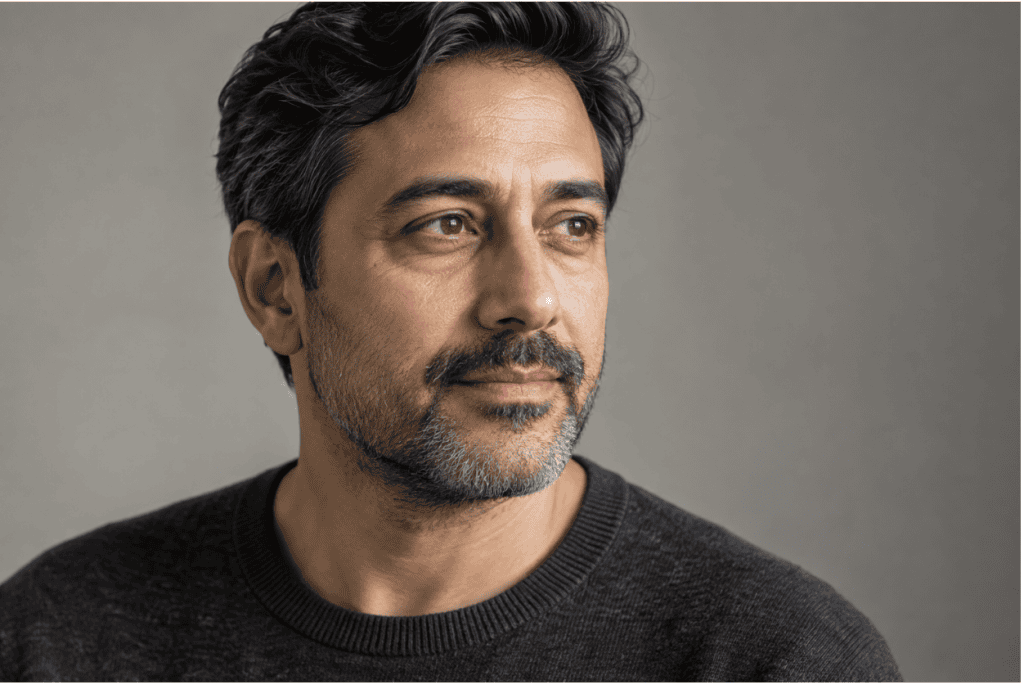
Facial appearance is partly shaped by where light lands and where shadows form.
Areas with smooth projection—such as the upper cheek—tend to catch light. Hollows, folds and abrupt transitions create shadow. As facial support and skin quality change, these light-reflecting and shadow-forming areas may shift.
A person may therefore look tired without developing a new wrinkle. A deeper under-eye transition, flatter cheek or less even skin surface can change the overall perception of the face.
This is why chasing individual lines does not always create a fresher appearance. In some cases, improving skin quality or supporting a neighbouring area may be more relevant than treating the line itself.
What may be considered during a consultation?
Treatment should be matched to the cause of the concern rather than the phrase “tired-looking face”.
Skincare and sun protection
When dullness, dehydration or uneven tone is the main concern, an appropriate skincare routine may be the starting point. Daily sun protection is also important for reducing further UV-related damage.
Treatments focused on skin quality
Professional skin treatments may be considered for texture, pigmentation, fine lines or reduced radiance. The right option depends on skin type, medical history, pigmentation risk and acceptable downtime.
Treatments addressing muscle activity
If particular muscle patterns are contributing to a heavy brow or consistently tense expression, prescription treatment that temporarily reduces selected muscle activity may be discussed.
Results vary, and treatment must preserve an appropriate balance between the muscles that raise and lower the brows.
Structural support with dermal filler
Dermal filler may be considered when a clinically assessed loss of projection or support is contributing to facial shadowing.
The plan does not necessarily involve placing filler directly into the darkest or deepest area. In selected patients, addressing the surrounding cheek or structural support may be more appropriate.
Dermal filler is a medical procedure with potential risks, including uncommon but serious complications. Suitability, product selection, treatment location and alternatives require consultation with a qualified practitioner.
Collagen-stimulating treatments
Collagen-stimulating injectable treatments, sometimes called biostimulators, may be considered for selected patients experiencing changes in skin quality, firmness or facial support.
These treatments are not the same as traditional volumising filler. Their effects generally develop gradually and depend on the individual biological response. Evidence supports potential improvements in selected facial ageing concerns, but treatment is not suitable for every person or every facial area.
They should not be described as literally rebuilding or tightening facial ligaments. Instead, a practitioner may use them as part of a broader plan intended to improve tissue quality or support in carefully selected areas.
When a tired-looking face may need medical assessment
Aesthetic treatment is not a substitute for investigating possible health concerns.
Consider speaking with a GP if changes in facial appearance occur alongside:
- ongoing physical fatigue
- unusually pale skin
- unexplained weight change
- persistent swelling around the eyes
- shortness of breath
- changes in vision
- significant skin inflammation
- new or one-sided facial weakness
- other unexplained symptoms
Sudden facial drooping, difficulty speaking or weakness affecting one side of the body requires urgent medical attention.
Frequently asked questions
Why does my face look tired when I sleep enough?
Your facial anatomy, under-eye pigmentation, skin texture, cheek support and habitual muscle activity can all create features associated with tiredness. Sleep is only one possible factor.
Are dark circles always caused by a lack of sleep?
No. Dark circles may result from genetics, pigmentation, thin skin, visible blood vessels, allergies, swelling or shadows created by an under-eye hollow.
Can skincare make my face look less tired?
Skincare may help when dryness, dullness, fine texture changes or uneven tone are contributing. It cannot significantly change facial bone structure, fat compartments or a pronounced anatomical hollow.
Will under-eye filler make me look more rested?
It may be appropriate for selected structural concerns, but it is not suitable for every patient or every type of dark circle. The cheeks and surrounding anatomy should also be assessed before direct under-eye treatment is considered.
Are collagen-stimulating treatments the same as dermal filler?
No. Some dermal fillers are primarily used to provide immediate volume or structural support. Collagen-stimulating treatments are intended to encourage a gradual tissue response. The products, treatment plans, expected changes and risks differ.
How does MAEC assess a tired-looking face?
A consultation may examine the skin, under-eye area, cheeks, facial proportions, muscle activity and the way light and shadow fall across the face. The aim is to identify the main contributors before discussing suitable options.
Looking refreshed is not only about sleep
A well-rested person can still have under-eye shadows, uneven skin tone, changes in facial support or muscle patterns that create a tired appearance.
Rather than treating the most obvious line or hollow automatically, a comprehensive assessment considers the relationship between the skin, muscles and deeper facial structures. This helps determine whether skincare, skin rejuvenation, structural treatment, muscle-focused treatment or no procedure is the most appropriate approach.
MAEC provides doctor-led consultations in Bulleen for patients across Melbourne and the eastern suburbs. If you are concerned that your face looks tired despite getting enough sleep, a personalised assessment can help identify what may be contributing and explain the available options, limitations and risks.
References
- DermNet – Dark circles under the eyes
- Better Health Channel – Healthy ageing and the skin
- Cancer Council Australia – Sunscreen basics
- Australasian Journal of Dermatology – Comparison of self-reported signs of facial ageing among women in Australia, the USA, the UK and Canada
- Clinical Interventions in Aging – Treating aging changes of facial anatomical layers with hyaluronic acid fillers
- International Journal of Cosmetic Science – Facial radiance influences facial attractiveness and affective impressions of faces
- Journal of Plastic, Reconstructive & Aesthetic Surgery – The emerging role of biostimulators as an adjunct in facial rejuvenation: A systematic review
Leave a Reply