


Why Melasma Gets Worse in Spring and Summer in Australia
Melasma often becomes darker or more noticeable during spring and summer because ultraviolet radiation and visible light can stimulate the skin’s pigment-producing cells. Longer days and more time outdoors may also increase cumulative exposure, even when the skin does not burn.
In Australia, this seasonal change can begin earlier than many people expect. Melbourne’s weather may still feel cool during spring, but UV levels can already be high enough to affect the skin. For people managing melasma, consistent protection matters more than waiting for a particularly hot or sunny day.
Why does sunlight make melasma darker?
Melasma develops when pigment-producing cells called melanocytes become overactive and produce excess melanin.
Ultraviolet radiation can stimulate these cells, causing existing patches to darken or become more defined. Repeated exposure may also contribute to the return of pigmentation that previously appeared to have improved.
This is why melasma is often described as a chronic or recurring condition. Treatment may reduce the visible pigment, but it does not always remove the skin’s underlying tendency to respond to light.
If you are unfamiliar with the condition, begin with What Is Melasma? Causes, Signs and Why It Keeps Coming Back.
Why spring can trigger Melasma in Melbourne
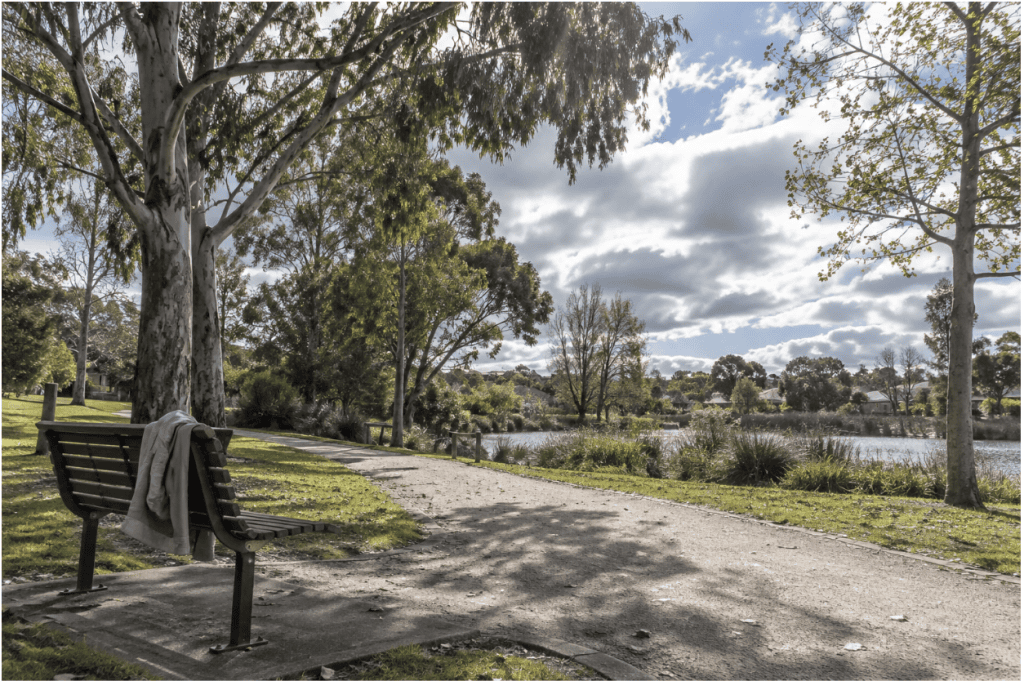
Spring can catch people off guard because temperature and UV radiation are not the same thing.
UV radiation cannot be seen or felt. A cool breeze, cloud cover or mild temperature does not necessarily mean UV exposure is low. In Victoria, UV intensity generally rises from mid-August and remains a consideration throughout spring and summer.
At the same time, daily habits begin to change. People may spend more time:
- Walking or exercising outdoors
- Driving with sunlight entering through the windows
- Sitting outside at cafés
- Gardening
- Attending sporting events
- Visiting beaches or outdoor pools
- Travelling during the holiday period
Each period of exposure may feel minor. However, repeated exposure across the day can contribute to cumulative pigment stimulation.
This means a melasma flare may not follow one obvious day in the sun. The pigmentation can gradually become more noticeable over several weeks.
Ultraviolet radiation is not the only type of light involved
Sunlight contains different wavelengths, and melasma may respond to more than ultraviolet radiation alone.
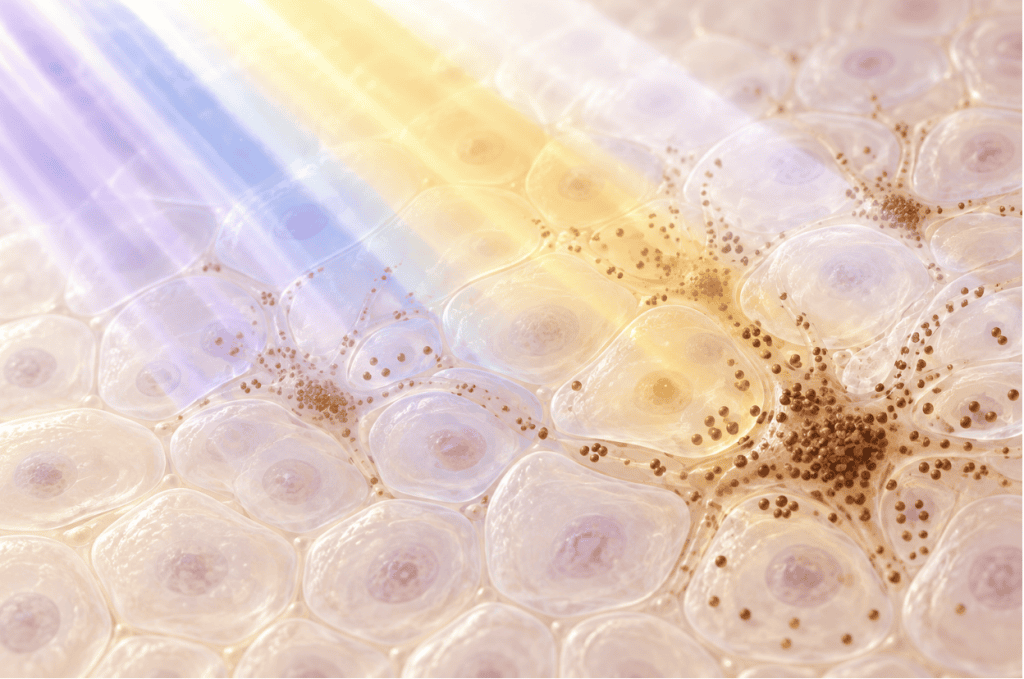
UVA radiation
UVA reaches the deeper layers of the skin and remains present throughout daylight hours. It can contribute to skin ageing and pigment changes.
Because UVA exposure may occur without sunburn, people can underestimate how much light their skin has received.
UVB radiation
UVB is strongly associated with sunburn and varies with the season, location and time of day. It also stimulates pigment production.
A person does not need to develop visible sunburn for UV exposure to affect melasma.
Visible light
Visible light is the part of sunlight that allows us to see. Research suggests that it may contribute to persistent pigmentation, particularly in people with medium to deeper skin tones.
This is one reason Australian dermatology guidance may recommend considering a tinted sunscreen containing iron oxides as part of a melasma management plan. Iron oxides can provide additional protection against parts of the visible-light spectrum.
Not every tinted product offers the same coverage or suits every person. Product choice should also account for skin sensitivity, texture preference and whether enough can be applied comfortably.
Does hot weather itself worsen Melasma?
Heat and UV radiation should not be confused. UV can be high on cool or cloudy days, while feeling hot does not tell you how much UV radiation is present.
Some people report that their pigmentation appears more noticeable after repeated heat exposure. Melasma may involve vascular and inflammatory factors as well as melanin production, but the role of heat is less clearly established than the effects of ultraviolet and visible light.
Practical ways to reduce excessive heat exposure may include:
- Seeking shade during hotter parts of the day
- Taking breaks from prolonged outdoor activity
- Avoiding unnecessary exposure to very hot environments if they appear to trigger flushing
- Using gentle skincare when the skin feels warm or irritated
- Allowing the skin to recover after sweating rather than immediately applying harsh active products
The goal is not to avoid normal warmth entirely. It is to recognise that excessive heat, sweating and irritation may make sensitive skin more reactive, while continuing to prioritise protection from light.
Why Melasma can return after it has improved
Visible improvement does not necessarily mean the skin has lost its tendency to produce excess pigment.
Melasma can return when:
- Sun and visible-light exposure increase
- Sun protection becomes inconsistent
- Hormonal influences remain present
- Skincare causes irritation or inflammation
- Maintenance treatment is stopped
- A procedure is unsuitable for the skin or pigment depth
Pigment may also be located at different depths within the skin. Epidermal pigment sits closer to the surface, while dermal pigment is found deeper. Many people have a combination of both.
Deeper or mixed melasma may be slower to improve and more likely to remain partially visible. This is why seasonal darkening should not automatically be interpreted as a treatment failure. It may indicate that the skin has encountered renewed triggers.
How to protect Melasma during spring and summer
Melasma management requires more than applying sunscreen occasionally. A useful seasonal plan combines sunscreen with physical protection, predictable routines and appropriate skincare.
Check the UV Index each day
Do not use temperature or cloud cover to estimate UV exposure.
Cancer Council Australia recommends sun protection when the UV Index is 3 or above. The SunSmart Global UV app provides local UV forecasts and recommended protection times using data from the Bureau of Meteorology and ARPANSA.
Checking the UV Index can be especially helpful in Melbourne, where spring weather may feel mild despite rising UV levels.
Choose broad-spectrum SPF 50 or SPF 50+
Broad-spectrum sunscreen protects against both UVA and UVB radiation.
For melasma, Australian dermatology guidance recommends broad-spectrum, water-resistant SPF 50 or SPF 50+ sunscreen. A tinted formula containing iron oxides may also be considered for additional visible-light protection.
The most suitable sunscreen is one that:
- Can be applied in an adequate amount
- Feels comfortable on the skin
- Does not cause persistent irritation
- Works with the rest of the skincare routine
- Can be reapplied when needed
Sunscreen does not directly remove existing melasma. Its role is to reduce further light-related stimulation and support the results of other management measures.
Apply enough sunscreen
Using too little sunscreen reduces the protection it provides.
Apply it evenly to all exposed areas, including the hairline, temples, ears and neck. These areas are easily missed when attention is focused only on the central face.
Follow the product instructions and allow the sunscreen to settle before going outdoors. Reapplication may be needed after swimming, sweating, towel drying or extended exposure.
Do not rely on sunscreen alone
No sunscreen blocks all ultraviolet radiation.
Combine it with:
- A broad-brimmed hat
- Shade
- Sunglasses
- Protective clothing
- Adjusting outdoor activities where practical
- Avoiding unnecessary time in direct midday sun
A cap may shade the forehead but leaves the cheeks, temples and sides of the face exposed. A broad-brimmed hat generally provides more complete facial coverage.
Keep protection consistent during incidental exposure
Melasma is not affected only by beach days or long outdoor events.

Incidental exposure may occur while:
- Driving
- Walking the dog
- Sitting near a bright window
- Commuting
- Hanging washing outside
- Eating lunch outdoors
- Exercising in the morning
A predictable daily routine is often easier to maintain than deciding whether protection is necessary for each individual activity.
Avoid irritating the skin
It can be tempting to respond to darker pigmentation by adding more acids, scrubs or brightening products. However, irritation can cause inflammation and may contribute to further uneven pigmentation.
Signs that a routine may be too aggressive include:
- Stinging
- Persistent redness
- Flaking
- Tightness
- Burning
- Increased sensitivity
- New dark marks after irritation
Introduce active ingredients carefully and avoid combining multiple strong products without guidance. More intensive skincare does not necessarily produce faster or more stable improvement.
Review your plan before summer
If melasma usually becomes darker during summer, it may be helpful to review the management plan during spring rather than waiting for a significant flare.
A review may consider:
- Whether the diagnosis remains consistent with melasma
- Current skincare and sunscreen use
- Products that may be causing irritation
- Previous responses to treatment
- Upcoming travel or outdoor activities
- Whether maintenance measures need to be adjusted
- The timing and suitability of any procedures
At MAEC, skin analysis and personalised treatment planning are used to establish a baseline before recommendations are made.
Common seasonal mistakes that may affect Melasma
Waiting until the weather feels hot
UV exposure is not determined by temperature. Protection may be necessary during cool Melbourne spring days.
Applying sunscreen only once
A morning application may not provide reliable coverage after sweating, swimming, wiping the face or spending an extended period outside.
Treating every dark mark as melasma
Sunspots, freckles and post-inflammatory pigmentation may become more visible in summer as well. They are not necessarily managed in the same way.
Read Melasma vs Hyperpigmentation: How Can You Tell the Difference? for a comparison of common pigment patterns.
Starting aggressive treatment during a flare
Inflamed or sensitised skin may not tolerate strong products or procedures well. Calming the skin and reviewing the trigger may be more appropriate than immediately increasing treatment intensity.
Expecting sunscreen to clear existing pigment
Sunscreen is essential for prevention and maintenance, but it is not a standalone pigment-removal treatment.
Can Melasma still darken despite careful protection?
Yes. Even a consistent routine cannot control every factor that influences melasma.
Hormones, genetics, pigment depth, previous treatment and individual skin sensitivity can all affect how the condition behaves. Sunscreen may also be applied unevenly, rubbed away or not reapplied during extended exposure.
Protection should therefore be viewed as a way to reduce avoidable stimulation rather than a guarantee that the pigmentation will not change.
If melasma becomes darker despite a consistent routine, it may be useful to review the diagnosis, products, application habits and treatment plan with a medical practitioner.
Frequently asked questions
Is melasma always worse in summer?
Not for everyone, but seasonal darkening is common. The Australasian College of Dermatologists notes that melasma usually becomes worse during the summer months.
Can cloudy weather worsen melasma?
Yes. UV radiation can remain high on cool or cloudy days, and visible light is still present. Check the UV Index rather than relying on the appearance of the weather.
Should sunscreen be worn indoors?
This depends on the environment and the individual management plan. People who spend long periods beside bright windows may wish to discuss whether additional protection is appropriate.
Is tinted sunscreen better for melasma?
A tinted sunscreen containing iron oxides may offer additional protection against visible light. However, it must still provide suitable broad-spectrum UV protection and be applied adequately.
Can I have melasma treatment during summer?
Some options may still be considered, but suitability depends on the skin, treatment type, current pigmentation and ability to follow aftercare. Certain procedures may carry a risk of inflammation or worsening pigmentation, so timing should be assessed individually.
Should I stop hormonal contraception if I have melasma?
Do not stop prescribed medication or contraception without speaking with the prescribing doctor. Hormones may contribute to melasma, but changes should be considered within the person’s broader health needs.
A more consistent approach to seasonal Melasma
Spring and summer do not create melasma on their own, but increased ultraviolet and visible-light exposure can stimulate pigment and make existing patches more noticeable.
The most useful response is usually consistency: monitor UV levels, use appropriate broad-spectrum protection, include physical shade measures and avoid irritating the skin in an attempt to achieve faster results.
If your pigmentation changes with the seasons, a professional assessment can help confirm whether it is melasma and identify practical adjustments for your skin.
MAEC provides doctor-led skin consultations in Bulleen, Melbourne, with an emphasis on diagnosis, patient education and personalised planning. Book a consultation to discuss your pigmentation concerns with the clinical team.
Leave a Reply