How Acne Forms: Understanding the Root Causes

Introduction

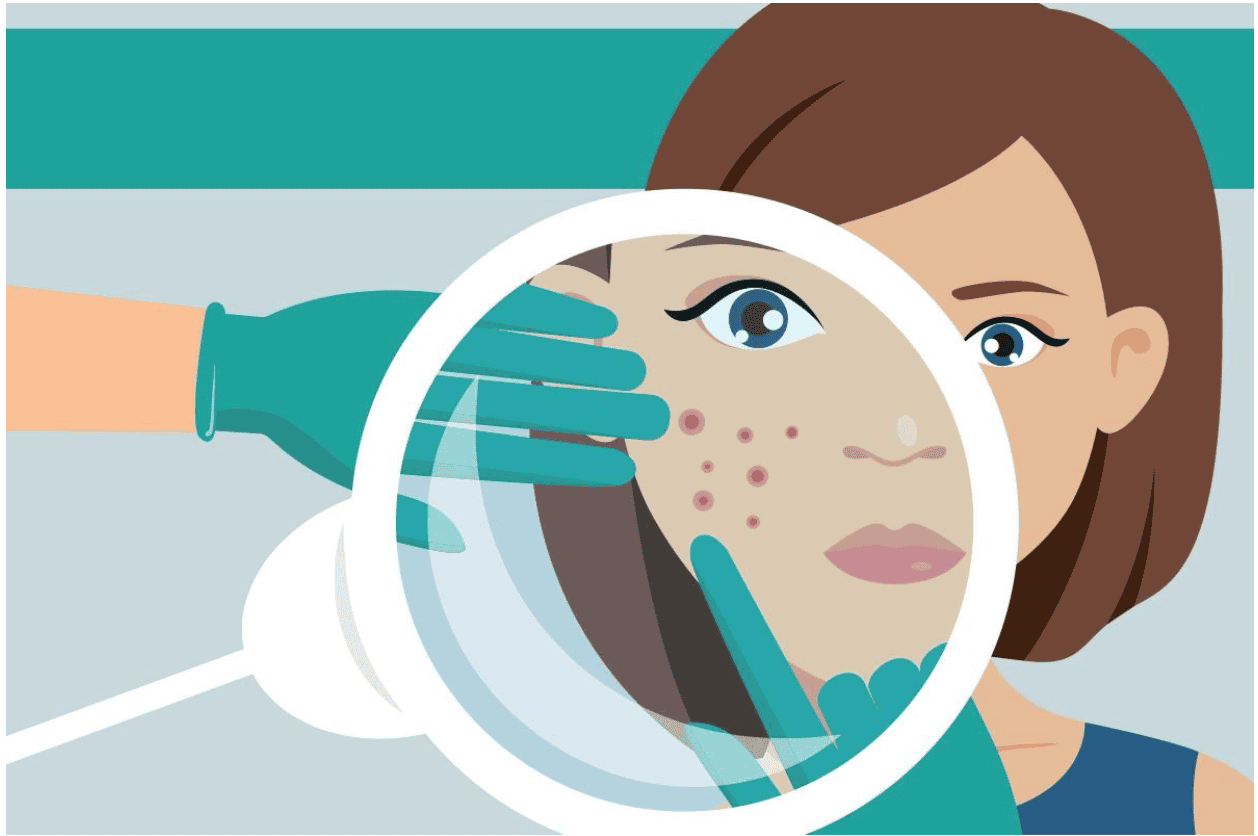
Acne is one of the most common skin conditions worldwide, affecting teenagers and adults alike.

While many people associate acne with oily skin or poor hygiene, the reality is often far more complex.

Understanding how acne develops can help explain why breakouts occur and why some individuals continue to struggle with acne well into adulthood.

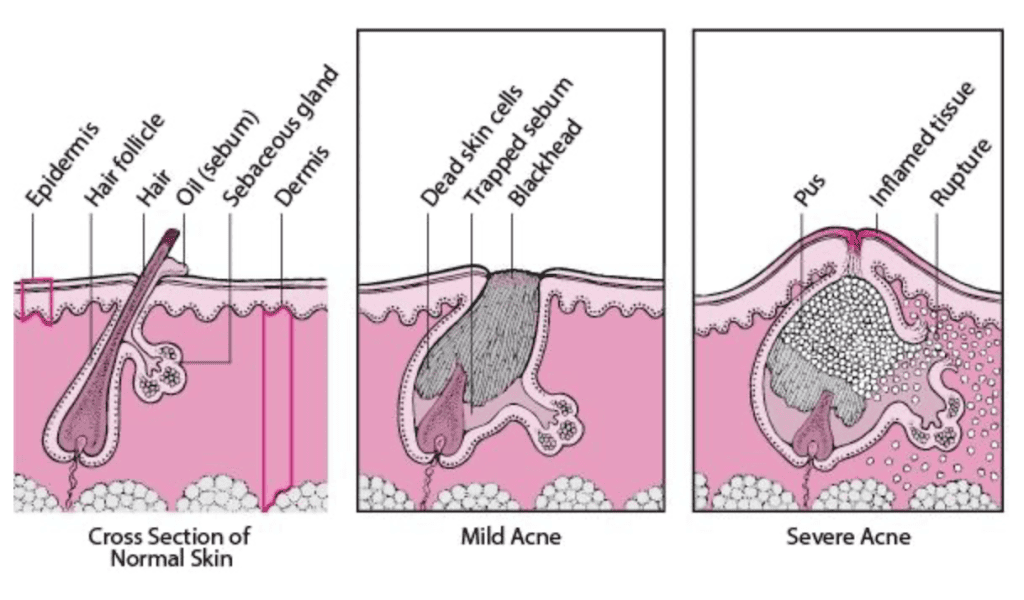
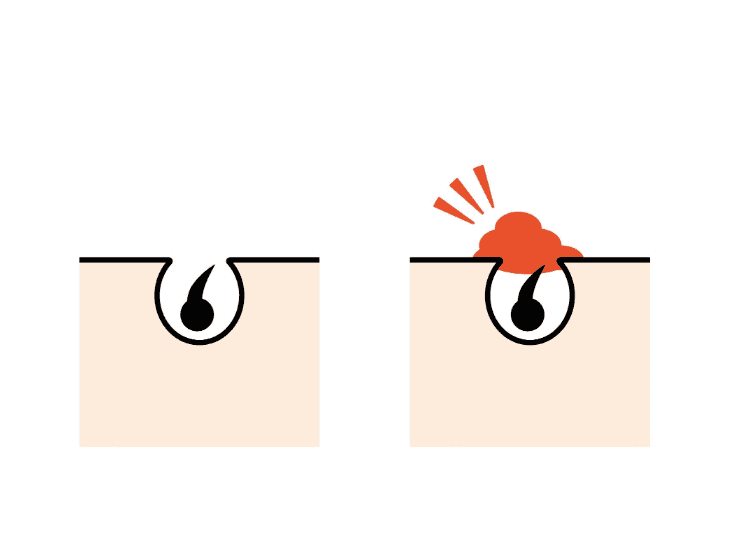
Acne develops when hair follicles become blocked by a combination of:

  • Excess oil production
  • Dead skin cells
  • Bacteria
  • Inflammation

These blocked follicles can lead to:

  • Blackheads
  • Whiteheads
  • Papules
  • Pustules
  • Nodules
  • Cysts

Excess Oil Production

Sebaceous glands naturally produce oil (sebum) to protect the skin.

However, excessive sebum production can contribute to clogged pores.

Factors influencing oil production include:

  • Hormones
  • Genetics
  • Stress
  • Certain medications

Dead Skin Cell Build-Up

Normally, dead skin cells shed naturally.

When shedding becomes disrupted, these cells may accumulate within pores and combine with oil, creating blockages.

This environment allows acne lesions to develop more easily.

Bacterial Growth

A bacterium called Cutibacterium acnes naturally lives on the skin.

When pores become blocked, bacteria can multiply within the follicle.

This may trigger inflammation and contribute to more noticeable breakouts.

Inflammation

Inflammation plays a major role in acne development.

As the immune system responds to blocked pores and bacteria, redness and swelling may occur.

This is why inflammatory acne often appears:

  • Tender
  • Red
  • Painful
  • Deep beneath the skin

Why Adults Get Acne Too

Adult acne is becoming increasingly common.

Potential contributors include:

  • Hormonal fluctuations
  • Stress
  • Lifestyle factors
  • Genetics
  • Certain skincare products

Adult acne often affects:

  • Jawline
  • Chin
  • Lower face

The MAEC Approach

At MAEC, acne assessments consider the multiple factors contributing to breakouts rather than focusing solely on the visible lesions.

Understanding the root cause may help guide more personalised treatment planning and long-term skin management.

Conclusion

Acne develops through a combination of oil production, clogged pores, bacteria, and inflammation.

Because multiple factors contribute simultaneously, effective treatment often requires a comprehensive and individualised approach.

A Thought to Consider

Acne is rarely caused by a single factor. Understanding the underlying drivers may be one of the most important steps toward healthier skin over time.

Sources

  • American Academy of Dermatology
  • Mayo Clinic
  • DermNet NZ
  • Journal of Clinical and Aesthetic Dermatology
  • British Association of Dermatologists

Leave a Reply

Your email address will not be published. Required fields are marked *

arrow-up