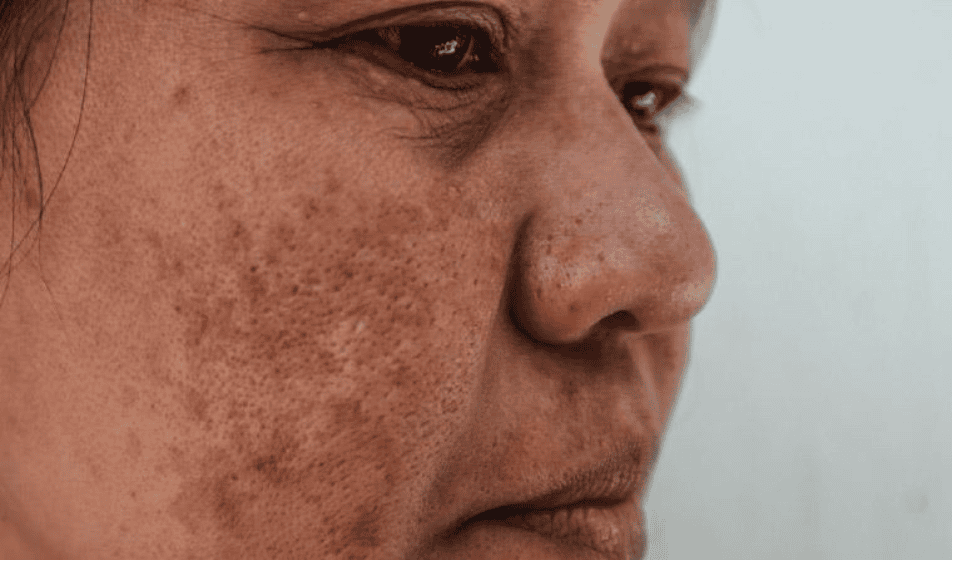
What Causes Pigmentation on the Face?

Introduction

Pigmentation is one of the most common skin concerns affecting both men and women across Melbourne.

Many patients notice dark patches, uneven skin tone, or stubborn marks that seem to return despite treatment.

Understanding what causes pigmentation is often the first step toward achieving clearer, more even-looking skin.

At MAEC, treatment planning begins by identifying the underlying cause, as different forms of pigmentation require different management approaches.

Pigmentation refers to areas of skin that become darker than the surrounding skin due to increased production of melanin.

Melanin is the natural pigment responsible for skin, hair, and eye colour.

When melanin production becomes uneven, visible patches or spots may develop.

Common areas include:

  • Forehead
  • Cheeks
  • Upper lip
  • Nose
  • Jawline

Sun Exposure and UV Damage

One of the most significant causes of pigmentation is ultraviolet (UV) exposure.

Sunlight stimulates melanin production as a protective response.

Over time, repeated exposure can contribute to:

  • Sun spots
  • Age spots
  • Uneven skin tone
  • Worsening pigmentation disorders

Even brief daily exposure may contribute to ongoing pigment activity.

Hormonal Changes and Melasma

Hormonal fluctuations are strongly associated with a condition known as melasma.

Melasma often appears as:

  • Symmetrical brown patches
  • Forehead pigmentation
  • Cheek pigmentation
  • Upper lip discolouration

Triggers may include:

  • Pregnancy
  • Oral contraceptives
  • Hormonal changes
  • Genetics

Melasma is often more challenging to treat because it can recur despite successful treatment.

Post-Inflammatory Pigmentation

When the skin experiences inflammation, excess pigment can sometimes develop during healing.

Common triggers include:

  • Acne
  • Skin trauma
  • Eczema
  • Aggressive skincare treatments

This is known as post-inflammatory hyperpigmentation (PIH).

The darker the inflammation, the more noticeable pigment changes may become.

Genetics and Skin Type

Some individuals naturally have a higher tendency to develop pigmentation.

Risk factors include:

  • Family history
  • Darker skin types
  • Increased melanin activity
  • Previous pigmentation conditions

This does not mean pigmentation cannot be treated, but long-term management may be important.

The MAEC Approach

At MAEC, pigmentation assessments focus on identifying the specific type of pigmentation present.

Treatment recommendations may consider:

  • Pigment depth
  • Skin type
  • Trigger factors
  • Lifestyle influences
  • Long-term prevention strategies

A personalised approach helps guide more effective treatment planning and maintenance.

Conclusion

Pigmentation can develop from multiple causes including sun exposure, hormones, inflammation, genetics, and ageing.

Understanding the underlying cause is often essential because different forms of pigmentation respond differently to treatment.

A Thought to Consider

Pigmentation is not always simply a surface problem. Often, what appears on the skin reflects deeper biological processes that require a tailored and long-term approach.

Sources

  • American Academy of Dermatology
  • Mayo Clinic
  • British Association of Dermatologists
  • Journal of Clinical and Aesthetic Dermatology
  • DermNet NZ

Leave a Reply

Your email address will not be published. Required fields are marked *

arrow-up