How Long Does It Take for Skin to Heal After Laser Treatment?
Introduction
One of the most common questions patients ask before undergoing laser treatment is:
“How long will recovery take?”
The answer depends on several factors, including:
Type of laser used
Treatment intensity
Skin condition
Individual healing response
Some laser treatments involve minimal downtime, while others require more significant recovery periods.
According to the American Academy of Dermatology, laser recovery can range from a few days to several weeks depending on the depth and aggressiveness of treatment.
Understanding the healing process helps create more realistic expectations before treatment begins.
Why Laser Treatments Require Recovery
Laser treatments work by creating controlled injury within the skin to stimulate repair and collagen production.
As the skin heals, processes such as:
Inflammation
Cell turnover
Collagen remodelling
Skin renewal
begin to occur.
This temporary healing response is what ultimately contributes to improvements in:
Skin texture
Pigmentation
Fine lines
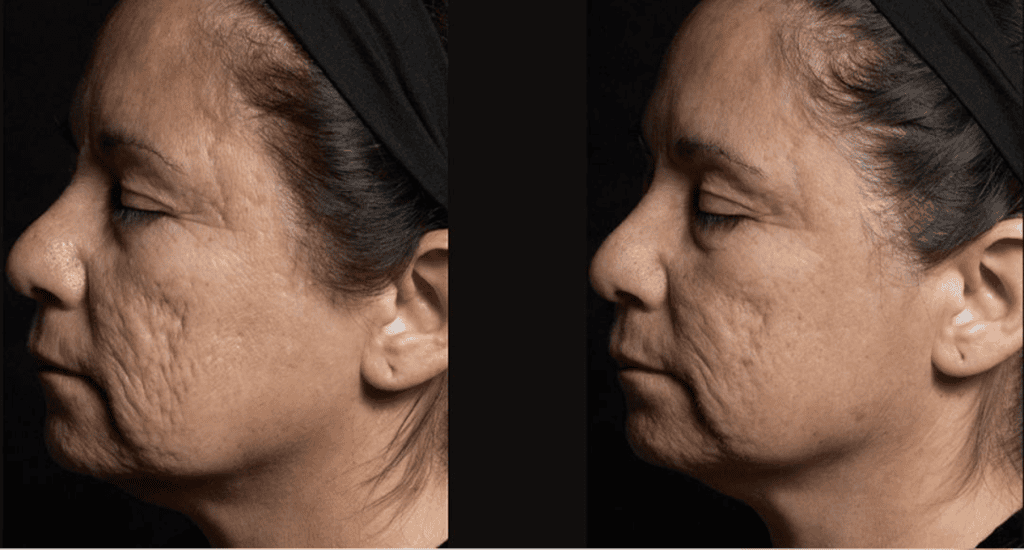
Acne scarring
Skin quality
The more intensive the treatment, the longer the recovery process is likely to be.
Typical Stages of Healing
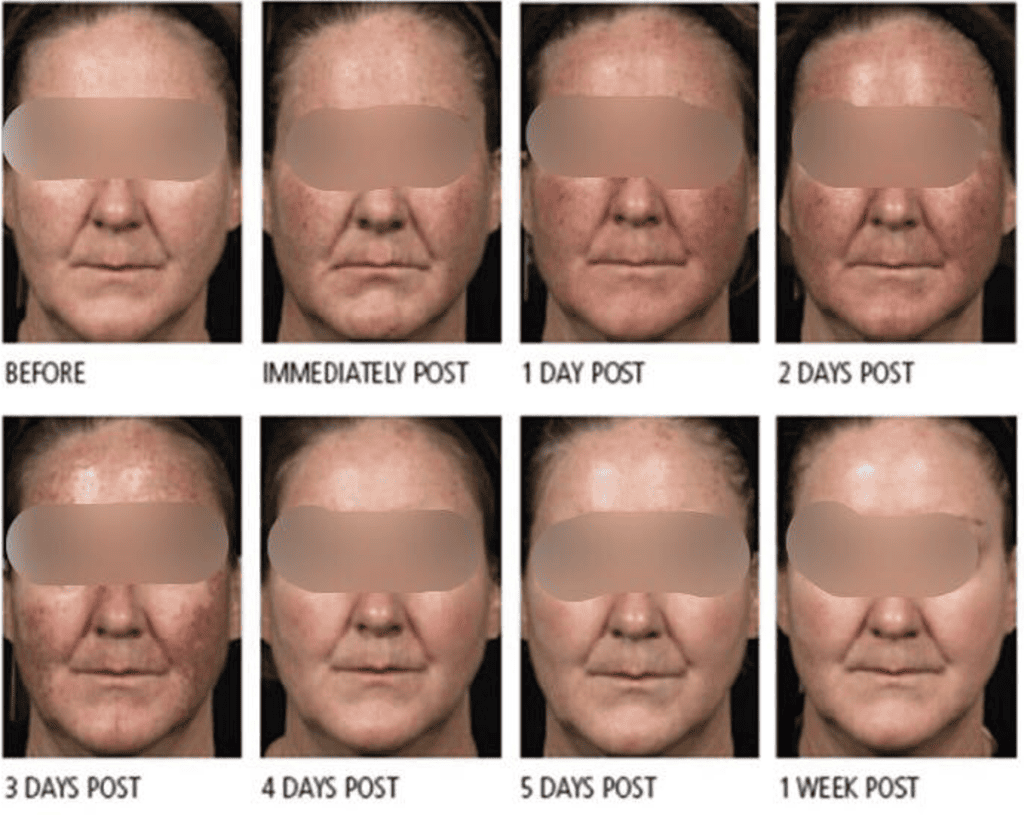
First Few Days
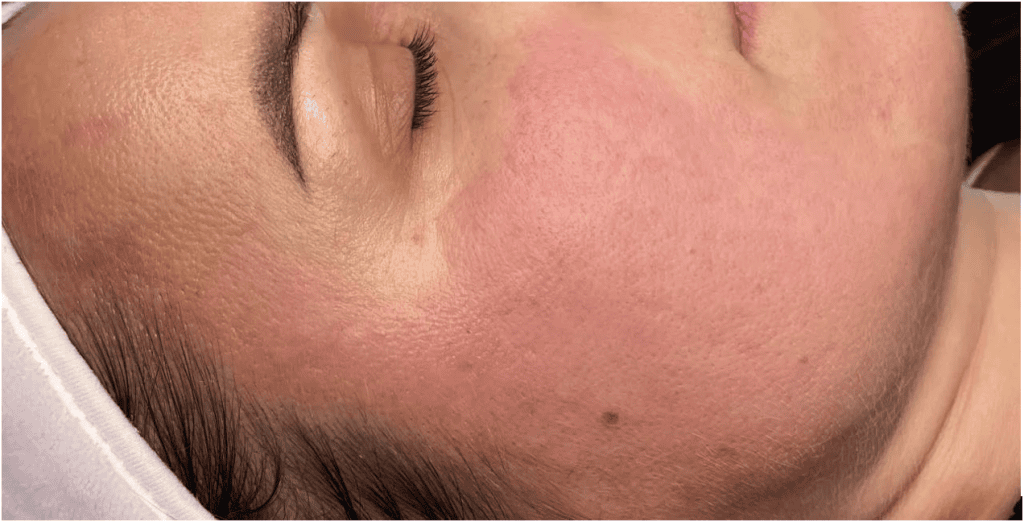
Immediately after treatment, the skin may appear:
Red
Swollen
Warm
Sensitive
This is a normal inflammatory response.
Peeling and Skin Renewal
Over the following days, peeling or flaking may occur as damaged skin cells shed and newer skin emerges.
Ongoing Recovery
Even after visible healing improves, deeper collagen remodelling may continue for several weeks or months beneath the surface.
Research published in Dermatologic Surgery explains that collagen stimulation after resurfacing procedures can continue long after the initial visible recovery phase.
Factors That Affect Recovery Time
Recovery time varies from person to person.
Factors influencing healing may include:
Laser intensity and depth
Skin type and sensitivity
Presence of pigmentation conditions
Overall skin health
Smoking and lifestyle factors
Adherence to aftercare instructions
More intensive resurfacing treatments such as CO2 lasers generally involve longer downtime compared to gentler rejuvenation procedures.
Why Aftercare Is So Important
Proper aftercare supports:
Faster recovery
Reduced inflammation
Skin barrier healing
Lower complication risk
Aftercare may involve:
Gentle skincare
Avoiding active ingredients temporarily
Strict sun protection
Keeping the skin hydrated
Minimising unnecessary irritation
The British Association of Dermatologists emphasises that post-treatment sun protection is particularly important to reduce the risk of post-inflammatory pigmentation.
When Will Results Become Visible?
Visible healing and final results are not always the same thing.
While surface recovery may improve within days or weeks, deeper collagen remodelling often continues over time.
This means:
Texture improvements may continue gradually
Skin quality may improve progressively
Collagen stimulation may develop over months
Patience is often an important part of the treatment process.
The MAEC Approach
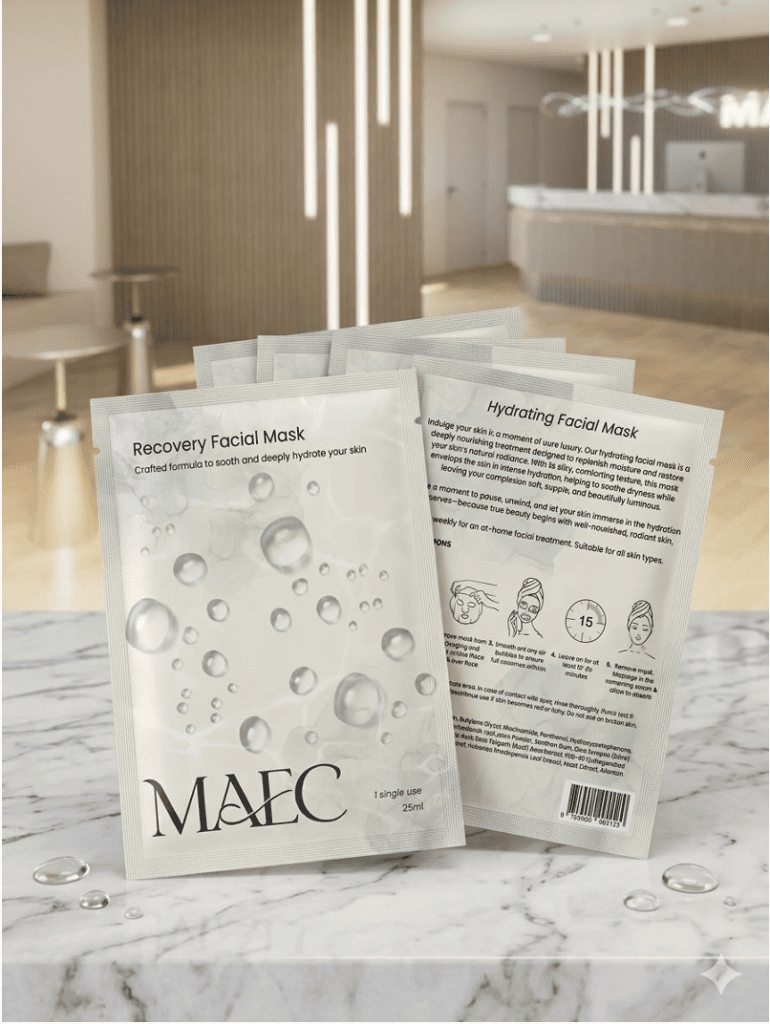
At MAEC, treatment planning considers not only the treatment itself, but also recovery suitability and long-term skin health.
This includes:
Assessing lifestyle and downtime tolerance
Selecting appropriate treatment intensity
Supporting skin recovery carefully
Focusing on gradual and natural-looking improvements
The goal is not simply stronger treatments, but treatments that are realistic, balanced, and appropriate for the individual.
Conclusion
Laser recovery is a normal and important part of the skin rejuvenation process.
Healing timelines vary depending on treatment type, skin condition, and individual response, but understanding the recovery process often helps patients approach treatment more confidently and realistically.
A Thought to Consider
Sometimes recovery is not a setback — but part of how the skin rebuilds itself stronger over time.
Understanding healing timelines and recovery expectations may help guide more informed decisions around laser treatments and skin rejuvenation.





Leave a Reply