Why Does Pigmentation Keep Coming Back After Treatment?
Introduction
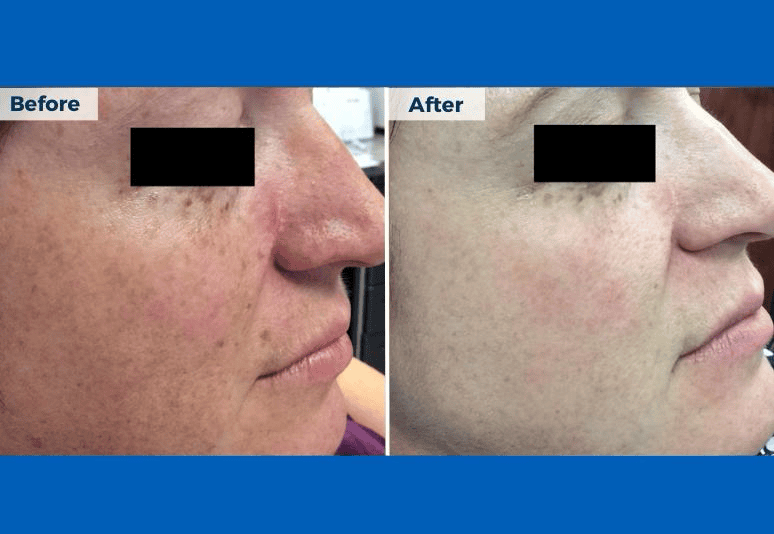
Pigmentation is one of the most common skin concerns treated in aesthetic medicine, yet it is also one of the most frustrating conditions for many patients.
A common experience is:
Improvement after treatment
Skin appearing clearer temporarily
Pigmentation gradually returning over time
This often leads people to believe the treatment “didn’t work.”
In reality, pigmentation is rarely just a surface-level issue.
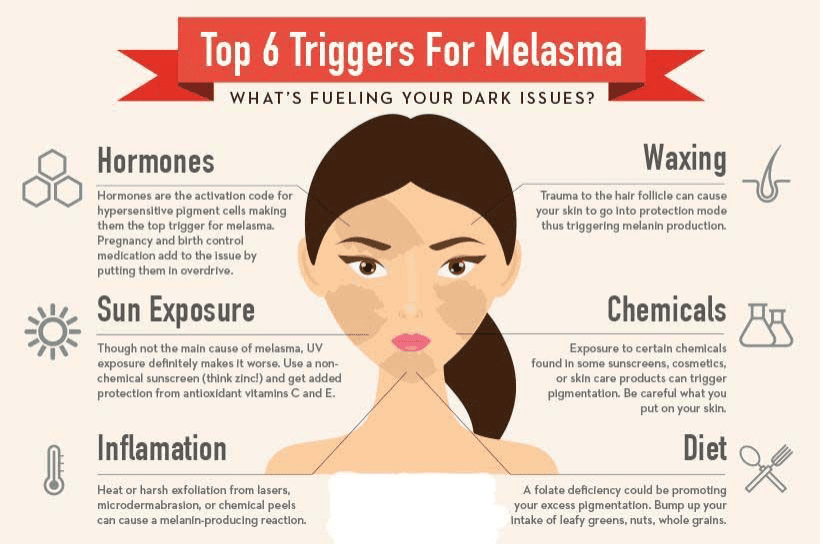
According to the American Academy of Dermatology, conditions such as melasma and post-inflammatory pigmentation are influenced by multiple factors including UV exposure, hormones, inflammation, and genetics.
This means successful treatment often involves not only removing pigmentation — but understanding what is triggering it in the first place.
Understanding What Pigmentation Actually Is
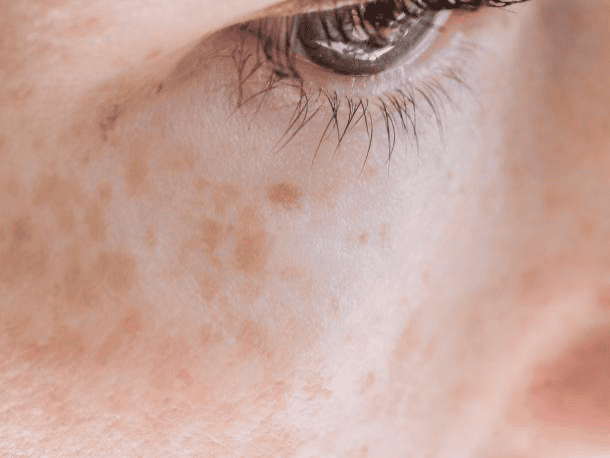
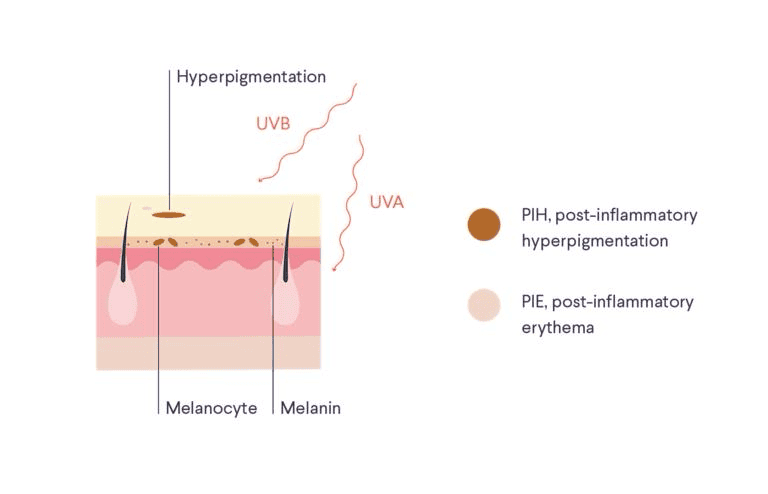
Pigmentation occurs when melanin — the pigment responsible for skin colour — becomes unevenly distributed or overproduced.
Common types include:
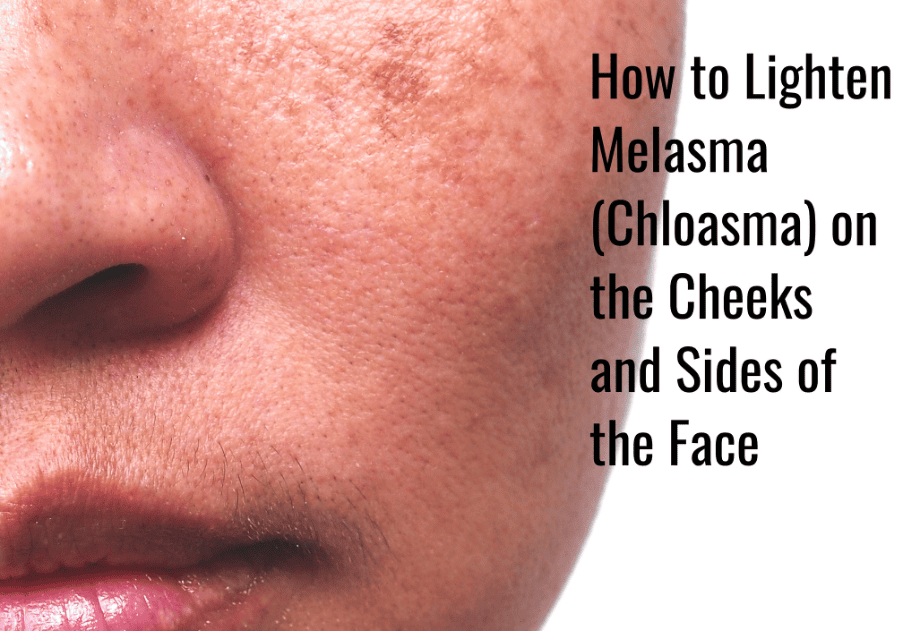
Melasma
Sun spots
Post-inflammatory pigmentation
Freckles
Hormonal pigmentation
Different forms of pigmentation behave differently, which is why not all cases respond the same way to treatment.
Research published in the Journal of Clinical and Aesthetic Dermatology highlights that pigmentation disorders are often chronic and recurrent conditions rather than one-time cosmetic concerns.
Why Pigmentation Returns
There are several reasons pigmentation may return after treatment.
UV Exposure
Even small amounts of ongoing sun exposure can reactivate pigment-producing cells.
Hormonal Influences
Hormonal changes — including pregnancy, oral contraceptives, and hormonal fluctuations — are strongly associated with melasma recurrence.
Inflammation
Aggressive treatments or ongoing skin irritation may trigger post-inflammatory pigmentation in certain skin types.
Genetics
Some individuals are naturally more prone to pigmentation conditions than others.
The British Association of Dermatologists notes that pigmentation management often requires ongoing maintenance rather than expecting permanent removal from a single treatment alone.
Why Treating the Surface Alone Isn’t Enough
Many treatments focus only on breaking down visible pigment.
While this can improve appearance temporarily, it may not address:
Why pigment formed initially
Ongoing triggers
Skin barrier health
Inflammation levels
This is why some people experience repeated cycles of: Treatment → Improvement → Recurrence
Modern pigmentation management increasingly focuses on combining:
Pigment reduction
Skin barrier support
UV protection
Inflammation control
Long-term maintenance strategies
The Role of Prevention and Maintenance
Preventing recurrence is often just as important as treating the pigmentation itself.
Long-term management may involve:
Daily SPF use
Skin barrier support
Avoiding excessive inflammation
Maintenance treatments when appropriate
Consistent skincare routines
Research in the Journal of Cosmetic Dermatology suggests that combination management strategies tend to produce more stable long-term pigmentation outcomes compared to isolated treatments alone.
The MAEC Approach
At MAEC, pigmentation treatment focuses not only on reducing visible pigment, but also understanding the factors contributing to its recurrence.
This may involve:
Assessing pigmentation type
Identifying possible triggers
Supporting skin health and recovery
Combining treatments where appropriate
Developing long-term maintenance strategies
The aim is not simply temporary improvement, but healthier and more sustainable skin outcomes over time.
Conclusion
Pigmentation is often more complex than it first appears.
While treatments can significantly improve visible pigment, recurrence may occur if underlying triggers are not addressed alongside treatment.
A more personalised and long-term approach often leads to more stable and realistic outcomes.
A Thought to Consider
Sometimes the challenge isn’t removing pigmentation — but understanding why the skin continues to produce it.
Understanding the type and cause of pigmentation may help guide more realistic and personalised treatment decisions over time.
Sources
American Academy of Dermatology (AAD) – https://www.aad.org
British Association of Dermatologists – https://www.bad.org.uk
Journal of Clinical and Aesthetic Dermatology – https://jcadonline.com
Journal of Cosmetic Dermatology – https://onlinelibrary.wiley.com/journal/14732165







Leave a Reply