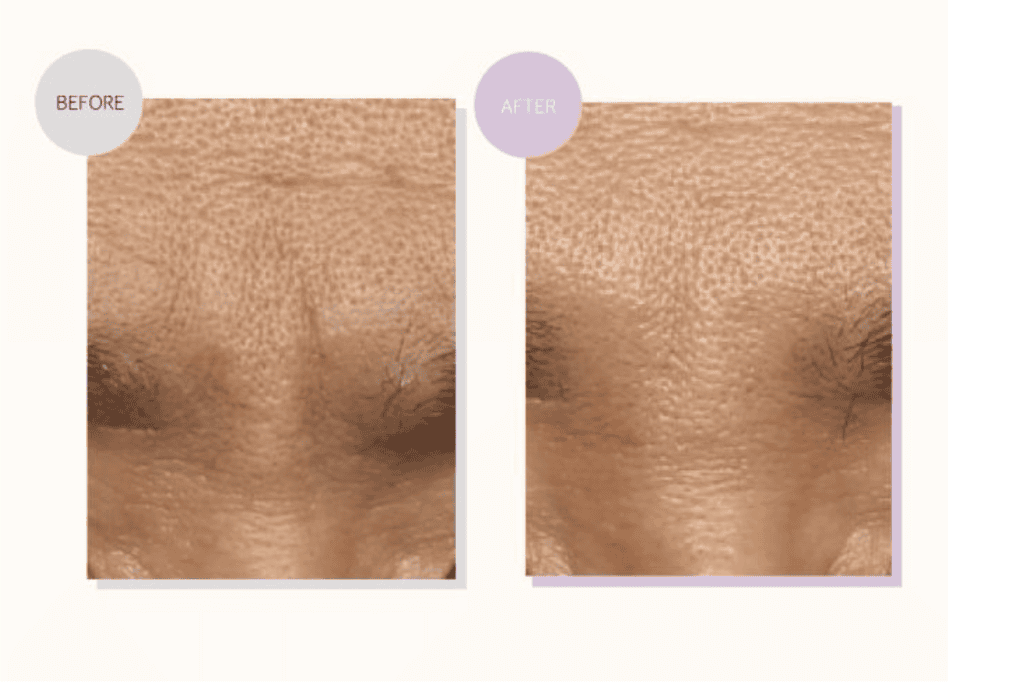
August 25, 2026 Botulinum Toxin Botulinum Toxin vs Fillers: What’s the Difference? Introduction Botulinum toxin and dermal fillers are often grouped together, but they work in very different ways.One of the most common questions patients ask is:“Which treatment do I need?”The answer depends on what is causing the concern and what outcome is being sought.Understanding the differences can help patients make more informed decisions about aesthetic treatments. What Is Botulinum Toxin Designed to Do? Botulinum toxin works by relaxing specific facial muscles.It is commonly used to improve:Forehead linesFrown linesCrow’s feetDynamic wrinklesIts primary goal is reducing muscle movement that contributes to wrinkle formation. What Are Dermal Fillers Designed to Do? Dermal fillers work differently.Rather than relaxing muscles, fillers are designed to restore volume and structural support.Common treatment areas include:CheeksLipsChinJawlineUnder-eye hollowsFillers may also help improve facial balance and contour. Dynamic Wrinkles vs Volume Loss Understanding the cause of a concern is often the key.Dynamic WrinklesCaused by muscle movement.Examples:Frown linesForehead linesCrow’s feetOften treated with botulinum toxin.Volume LossCaused by age-related changes in facial structure.Examples:Hollow cheeksUnder-eye volume lossFacial saggingOften addressed with fillers. Can Treatments Be Combined? Yes.Many patients experience both muscle-related wrinkles and age-related volume changes.For this reason, combination treatment plans are sometimes used to address multiple concerns simultaneously.The approach depends on:Facial anatomySkin conditionIndividual goals The MAEC Approach At MAEC, treatment recommendations begin with a detailed facial assessment.Rather than focusing on a single treatment, recommendations are tailored according to:Facial structureAgeing patternsIndividual concernsDesired outcomesThis helps support natural-looking and balanced results. Conclusion Botulinum toxin and fillers serve different purposes.Botulinum toxin primarily addresses muscle movement and dynamic wrinkles, while fillers are designed to restore volume and support facial contours.Understanding the distinction can help guide more personalised treatment decisions. A Thought to Consider The best treatment is not necessarily botulinum toxin or filler alone — it is understanding what is causing the concern in the first place.SourcesAmerican Society of Plastic SurgeonsAmerican Academy of DermatologyMayo ClinicJournal of Cosmetic DermatologyDermatologic Surgery



Leave a Reply