With so many aesthetic treatments available today, one of the most common questions patients ask is:
“Which treatment is actually better?”
From laser treatments and microneedling to chemical peels, radiofrequency, and medical-grade facials, the options can feel overwhelming.
The reality is that there is rarely one “best” treatment for everyone.
According to the American Academy of Dermatology, treatment effectiveness depends on:
Skin condition
Skin type
Treatment goals
Downtime tolerance
Severity of concern
Different technologies are designed to target different layers and functions of the skin.
At MAEC, treatment planning focuses less on trends and more on selecting treatments appropriate for the individual.
What Laser Treatments Are Designed to Do
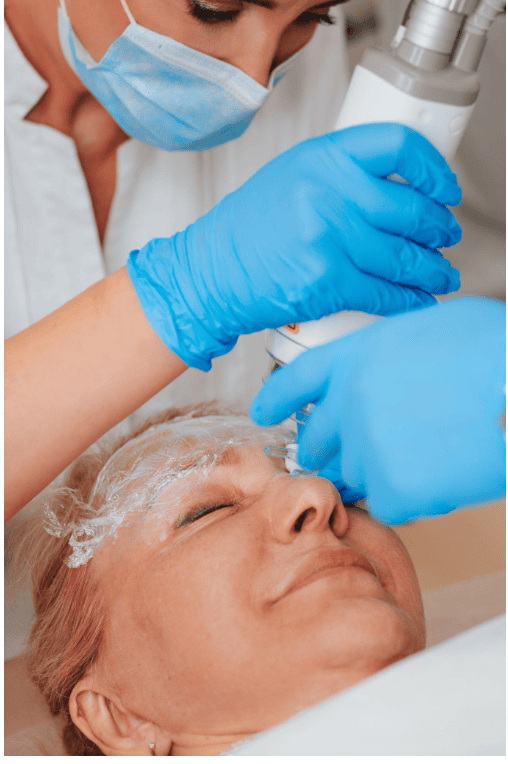
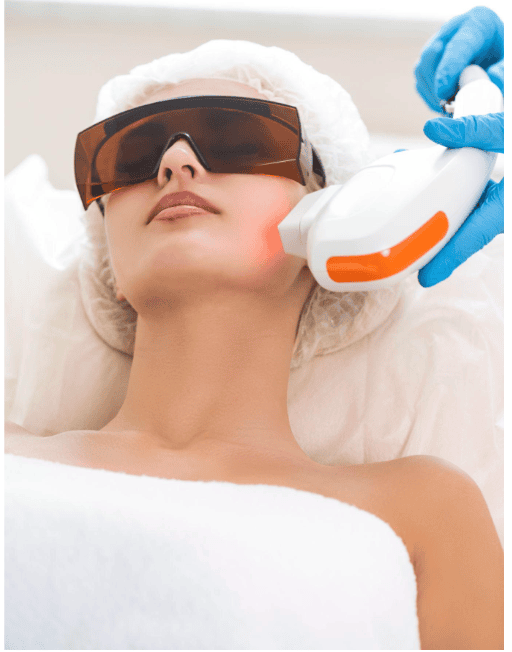
Laser treatments use focused light energy to target specific skin concerns.
Depending on the laser type, they may help improve:
Pigmentation
Fine lines
Acne scarring
Skin texture
Collagen production
Skin laxity
Some lasers target pigment specifically, while others stimulate deeper collagen remodelling.
Research published in Dermatologic Surgery highlights that laser technologies remain one of the most effective tools for treating deeper structural skin concerns and resurfacing.
However, stronger results often come with:
More downtime
Increased sensitivity
Longer recovery periods
How Other Skin Treatments Differ
Not all skin treatments work in the same way.
Microneedling
Uses controlled micro-injuries to stimulate collagen production and improve texture gradually.
Chemical Peels
Help exfoliate and renew the skin surface, often improving brightness and mild pigmentation.
Radiofrequency Treatments
Use heat energy to stimulate collagen and support skin tightening.
Medical Facials and Skin Therapies
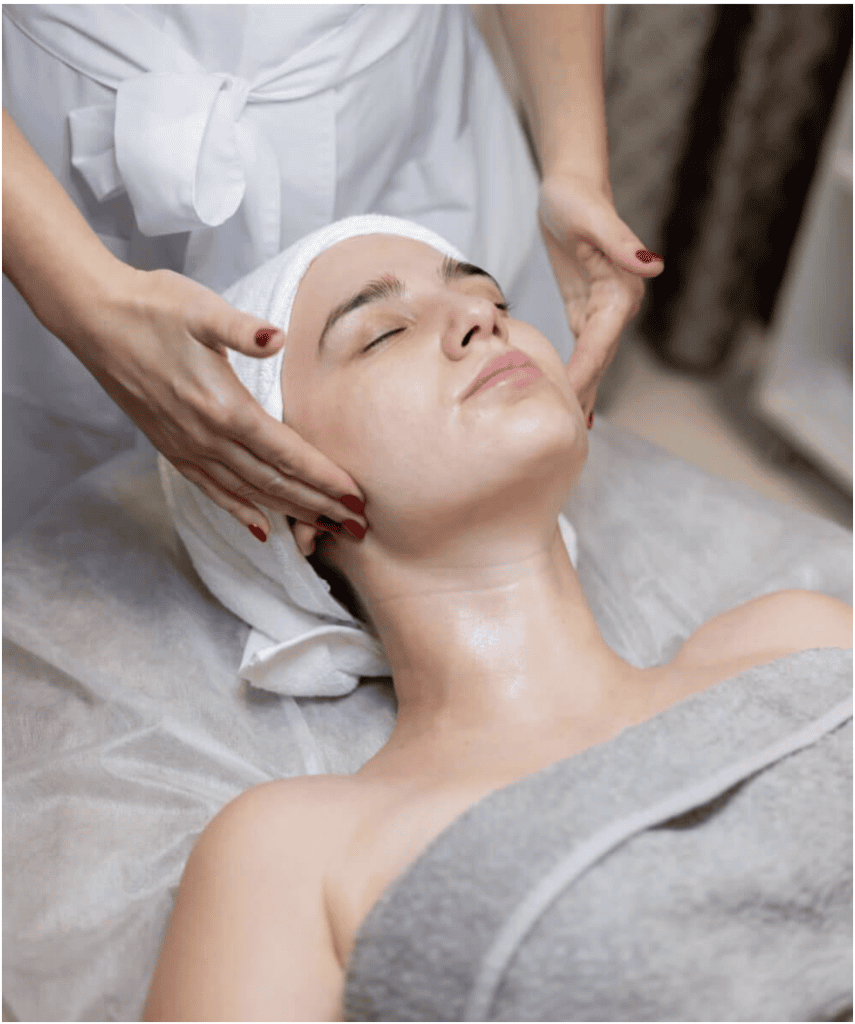
Primarily focus on hydration, skin barrier support, and maintenance.
Each modality has different strengths, limitations, recovery times, and treatment goals.
Is Laser Always Better?
Not necessarily.
While lasers can produce significant improvements, they may not always be the most appropriate first-line treatment for every concern or skin type.
Factors influencing treatment choice include:
Pigmentation risk
Skin sensitivity
Lifestyle and downtime
Severity of skin concerns
Desired treatment intensity
For some individuals, combination approaches using gentler treatments may achieve more balanced long-term outcomes.
Modern aesthetic medicine increasingly focuses on personalised treatment planning rather than assuming stronger always means better.
Why Combination Treatments Are Becoming More Common
Many skin concerns involve multiple layers of the skin simultaneously.
For example:
Acne scars may involve texture and collagen loss
Pigmentation may involve inflammation and UV damage
Skin ageing may involve both laxity and texture changes
This is why combination treatment strategies are increasingly used.
A review in the Journal of Clinical and Aesthetic Dermatology notes that combining modalities often improves outcomes while allowing treatments to complement one another more effectively.
The MAEC Approach
At MAEC, treatment recommendations are based on:
Skin condition
Treatment goals
Recovery preferences
Long-term skin health
Rather than recommending one treatment universally, the focus is on selecting the most appropriate approach for the individual.
In some cases, this may involve lasers. In others, gentler or combination approaches may be more suitable.
Conclusion
Laser treatments can be highly effective, but they are not automatically the best solution for every concern.
Understanding how different treatments work — and what they are designed to treat — allows for more realistic and personalised treatment decisions over time.
A Thought to Consider
Sometimes the best treatment is not the strongest one — but the one most suitable for your skin and long-term goals.
Understanding the differences between treatment options may help guide more informed and balanced skin decisions over time.
Sources
American Academy of Dermatology (AAD) – https://www.aad.org
Dermatologic Surgery Journal – https://journals.lww.com/dermatologicsurgery
Journal of Clinical and Aesthetic Dermatology – https://jcadonline.com
Mayo Clinic – https://www.mayoclinic.org
American Society for Dermatologic Surgery – https://www.asds.net



Leave a Reply