Dermal fillers have become one of the most popular aesthetic treatments worldwide due to their ability to restore volume, soften facial ageing, and enhance facial balance.
However, one concern many people have is looking:
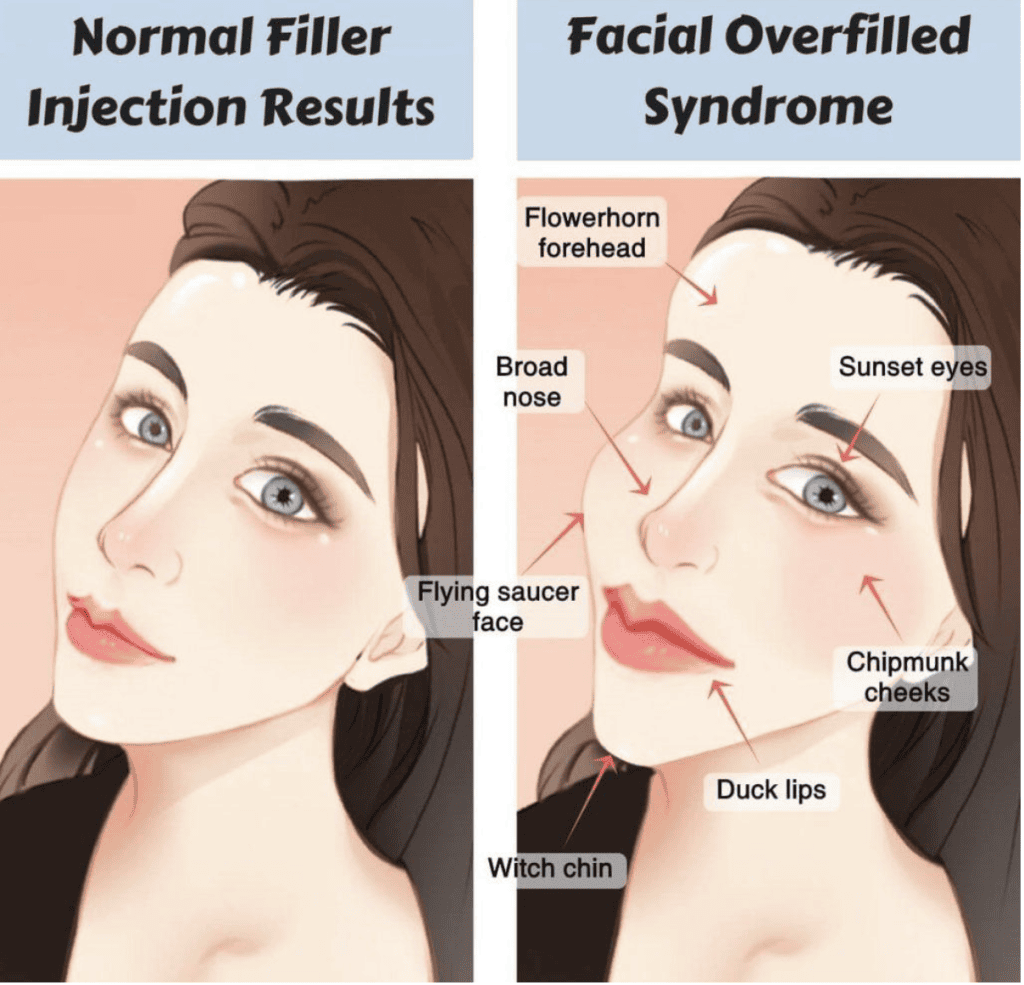
Puffy
Overfilled
Unnatural
Swollen
This has led to increasing conversations around “filler fatigue” and overly treated appearances in aesthetic medicine.
Importantly, filler itself is not necessarily the problem.
According to the Aesthetic Surgery Journal, unnatural outcomes are often linked more closely to:
Treatment planning
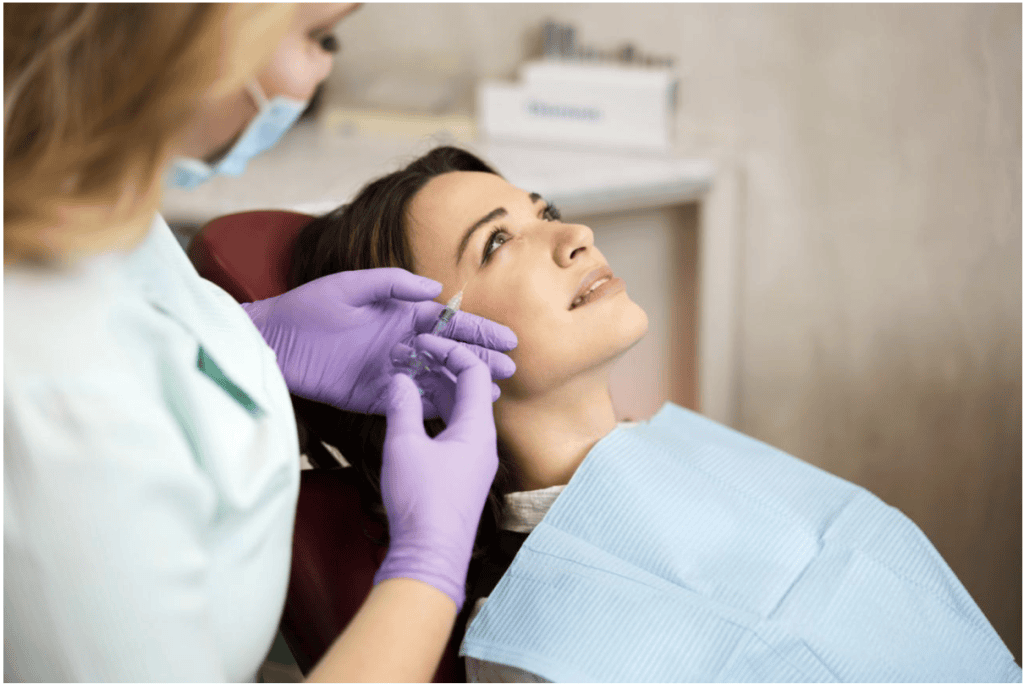
Injection technique
Excessive volume
Poor facial assessment
rather than fillers alone.
Understanding why puffiness occurs helps patients approach treatments more realistically and thoughtfully.
What Fillers Are Actually Designed to Do
Dermal fillers are primarily designed to:
Restore volume loss
Support facial structure
Improve facial balance
Soften ageing-related hollowing
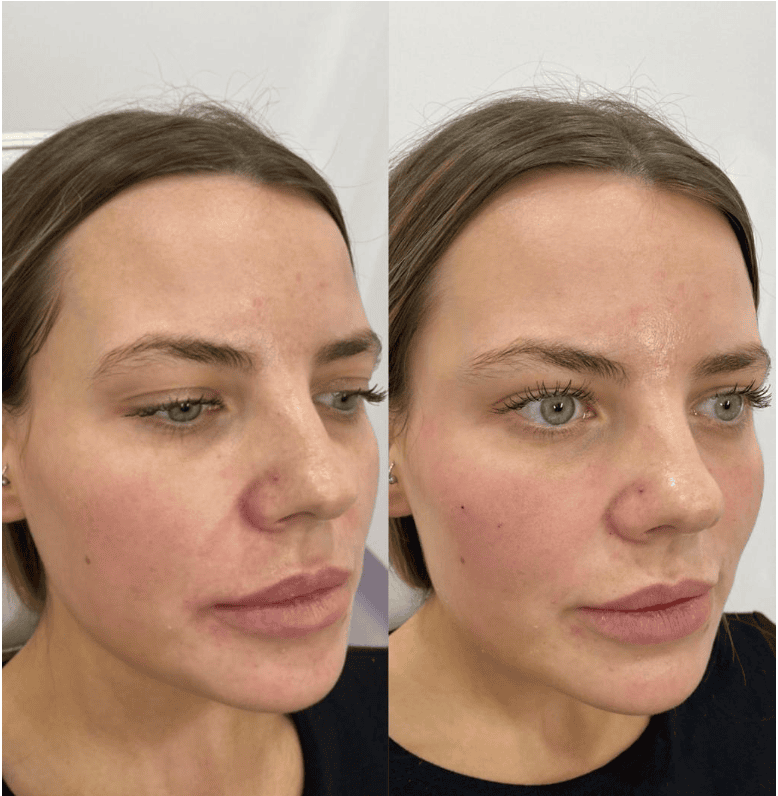
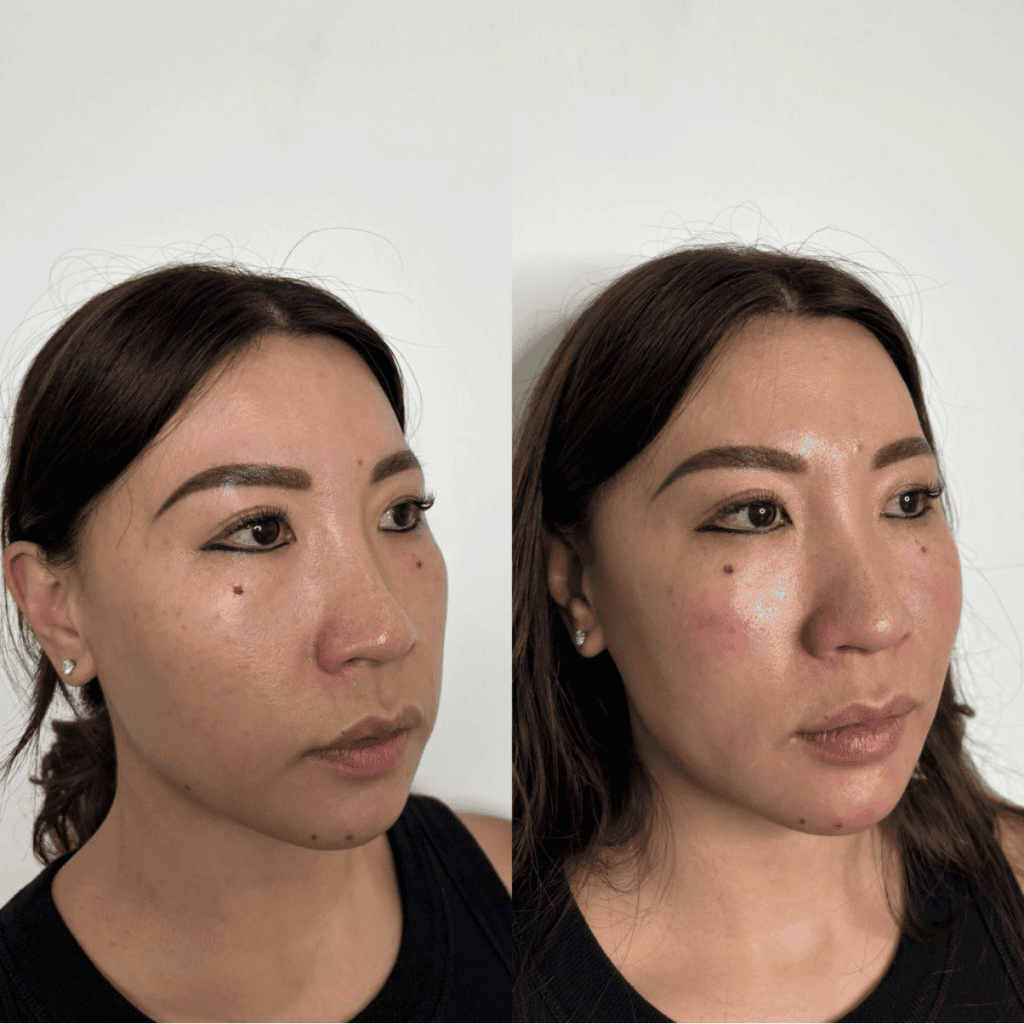
When performed appropriately, fillers can create refreshed and natural-looking results.
Modern aesthetic medicine increasingly focuses on subtle enhancement rather than dramatic transformation.
The goal should generally be:
Balance
Support
Harmony
Natural movement and expression
rather than excessive volume.
Why Puffiness Happens
There are several reasons some individuals may appear puffy after fillers.
Excessive Volume
Adding too much filler can disrupt natural facial proportions and create heaviness.
Incorrect Placement
Certain areas of the face retain water more easily, particularly around the eyes and mid-face.
Repeated Treatments Over Time
Layering filler repeatedly without reassessing facial structure can gradually create an overfilled appearance.
Swelling and Fluid Retention
Temporary swelling immediately after treatment is normal, but prolonged puffiness may indicate other contributing factors.
Research published in the Journal of Cosmetic Dermatology highlights the importance of conservative treatment planning and facial assessment in maintaining natural outcomes.
Why Facial Structure Matters
Not every face requires the same treatment approach.
Factors influencing filler outcomes include:
Bone structure
Skin thickness
Facial proportions
Existing volume distribution
Ageing patterns
A treatment that appears natural on one individual may appear heavy or puffy on another.
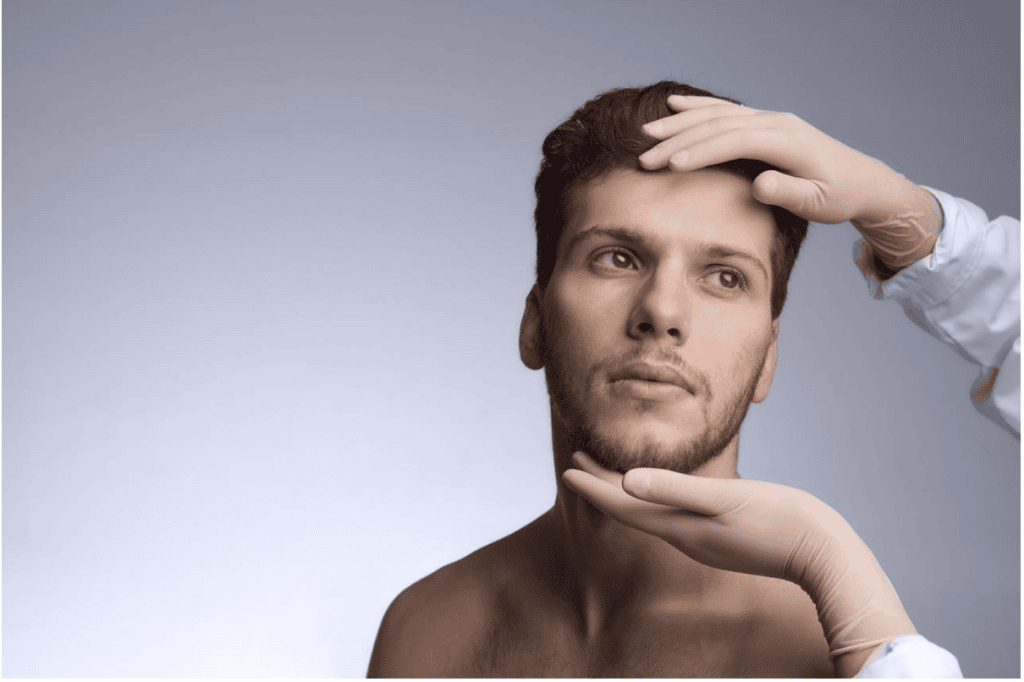
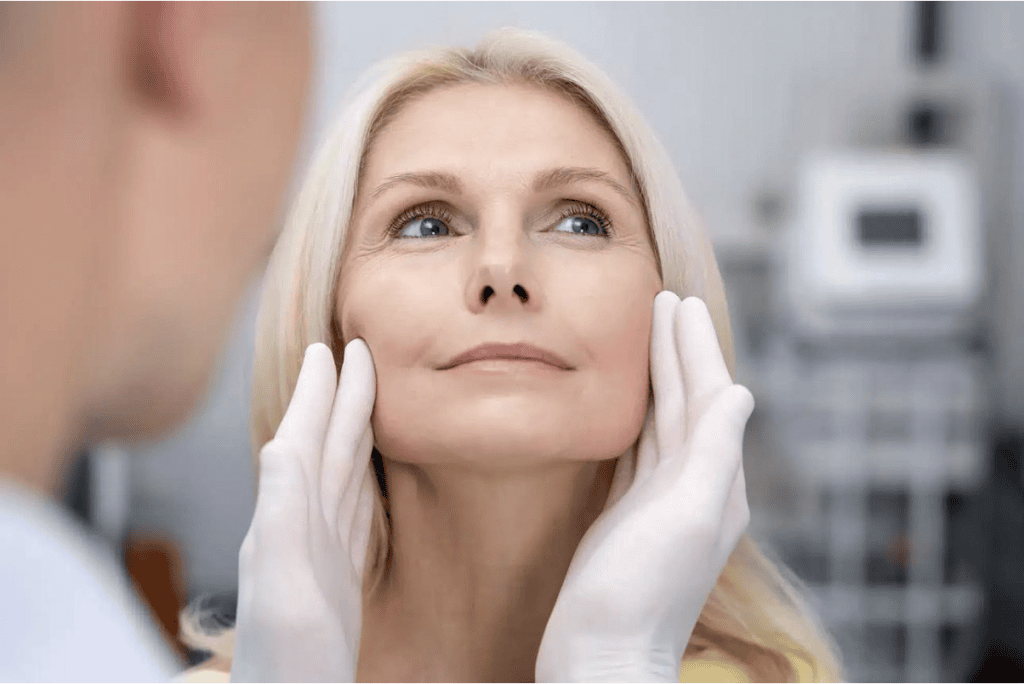
This is why personalised assessment is essential before recommending filler treatments.
The Shift Towards Natural-Looking Results
Globally, aesthetic medicine has increasingly shifted towards:
Preventative approaches
Facial harmony
Conservative treatment planning
Natural-looking outcomes
Patients today are often seeking:
Refreshed appearance
Healthier-looking skin
Facial balance
Subtle rejuvenation
rather than obvious aesthetic changes.
The American Society of Plastic Surgeons notes that preserving facial identity has become a major focus in modern injectables.
The MAEC Approach
At MAEC, injectable treatments are approached conservatively and thoughtfully.
Treatment planning considers:
Facial proportions
Existing structure
Individual anatomy
Long-term balance and ageing patterns
The aim is not simply adding volume, but supporting facial harmony while maintaining natural-looking outcomes over time.
Conclusion
Fillers themselves are not designed to create puffiness or unnatural appearances.
More often, these outcomes relate to treatment planning, excessive volume, or lack of facial assessment.
A balanced and personalised approach tends to produce more subtle, natural, and sustainable results.
A Thought to Consider
Sometimes the best aesthetic treatment is the one people notice the least.
Understanding how facial structure and treatment planning influence injectable outcomes may help guide more realistic and natural-looking aesthetic decisions.
Sources
Aesthetic Surgery Journal – https://academic.oup.com/asj
Journal of Cosmetic Dermatology – https://onlinelibrary.wiley.com/journal/14732165
American Society of Plastic Surgeons – https://www.plasticsurgery.org
American Academy of Dermatology (AAD) – https://www.aad.org







Leave a Reply