CO2 laser treatment has become one of the most widely recognised procedures in skin rejuvenation and resurfacing.
It is commonly used to improve:
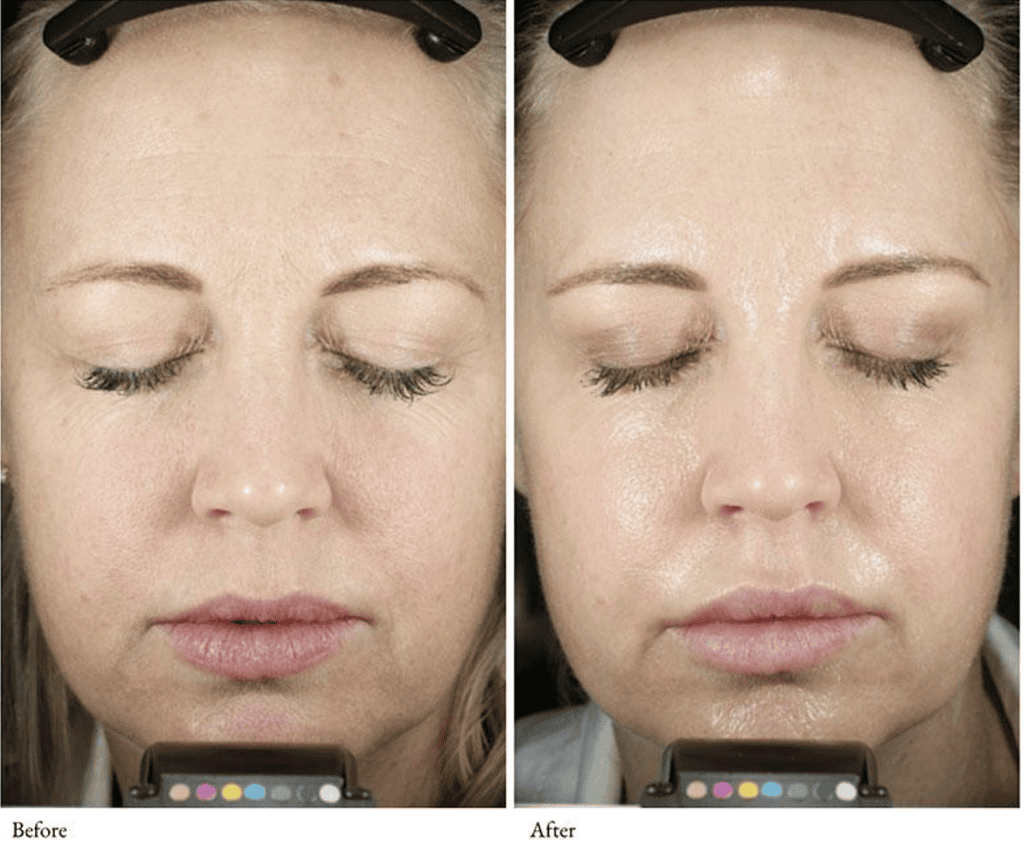
Fine lines and wrinkles
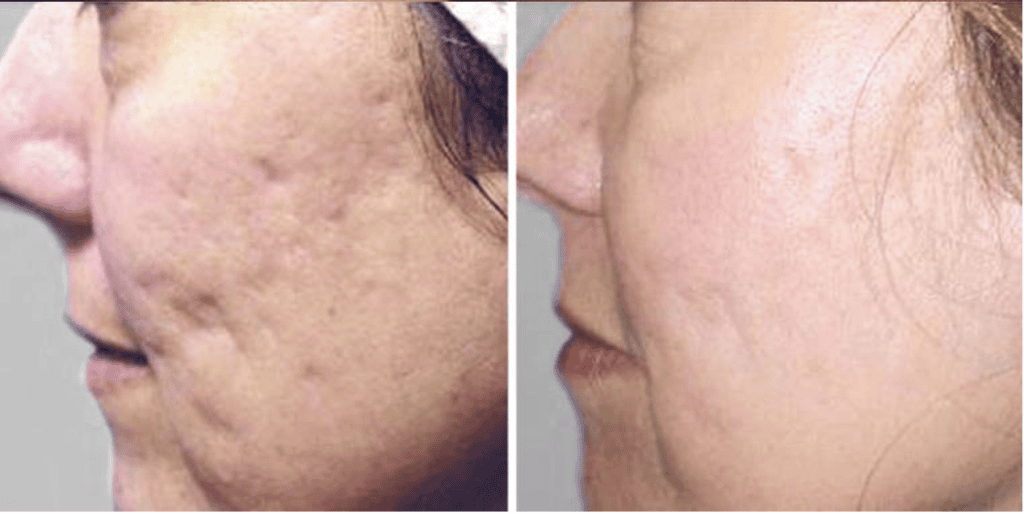
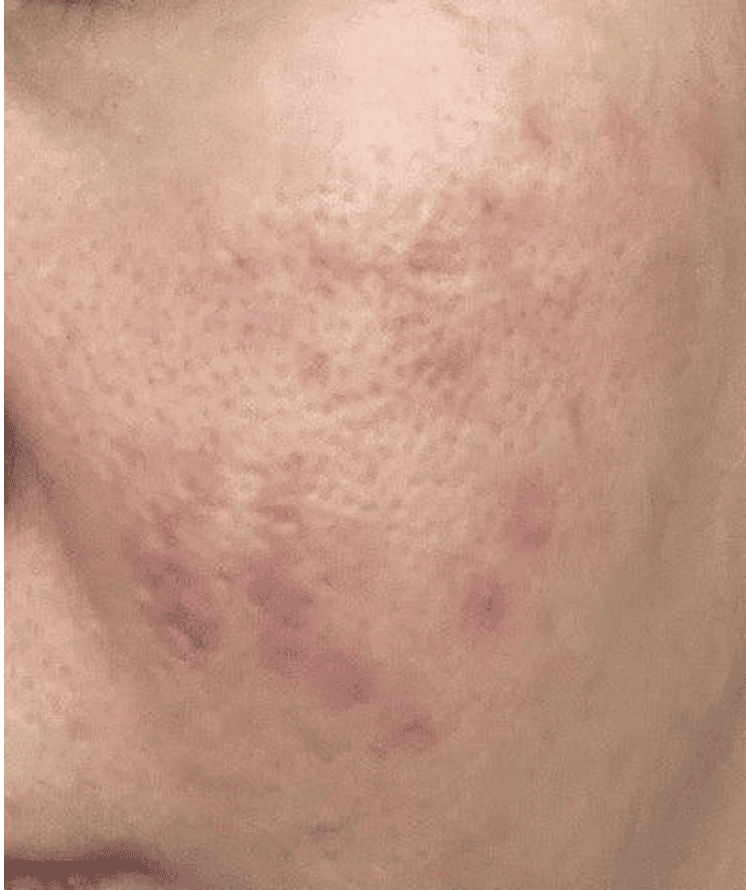
Acne scarring
Uneven texture
Sun damage
Skin laxity
Pigmentation concerns
Unlike superficial treatments, CO2 laser technology works by creating controlled micro-injuries within the skin to stimulate collagen production and skin renewal.
According to the American Society for Dermatologic Surgery, fractional CO2 laser resurfacing remains one of the most effective non-surgical treatments for improving skin texture and visible ageing changes.
However, like all advanced treatments, it also comes with recovery time, risks, and important considerations.
How CO2 Laser Treatment Works
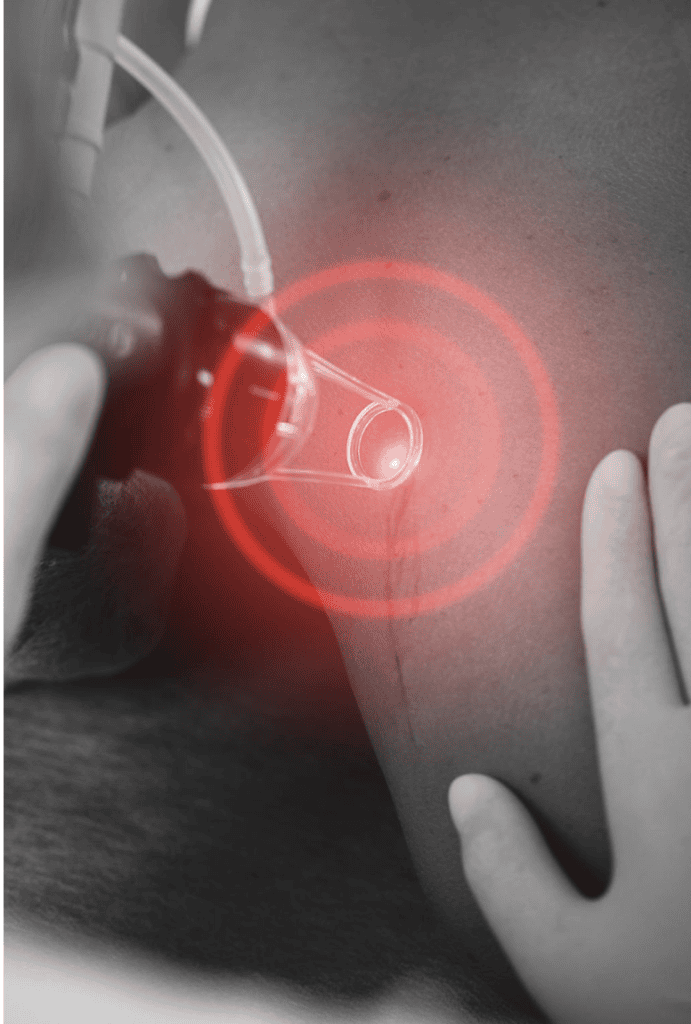
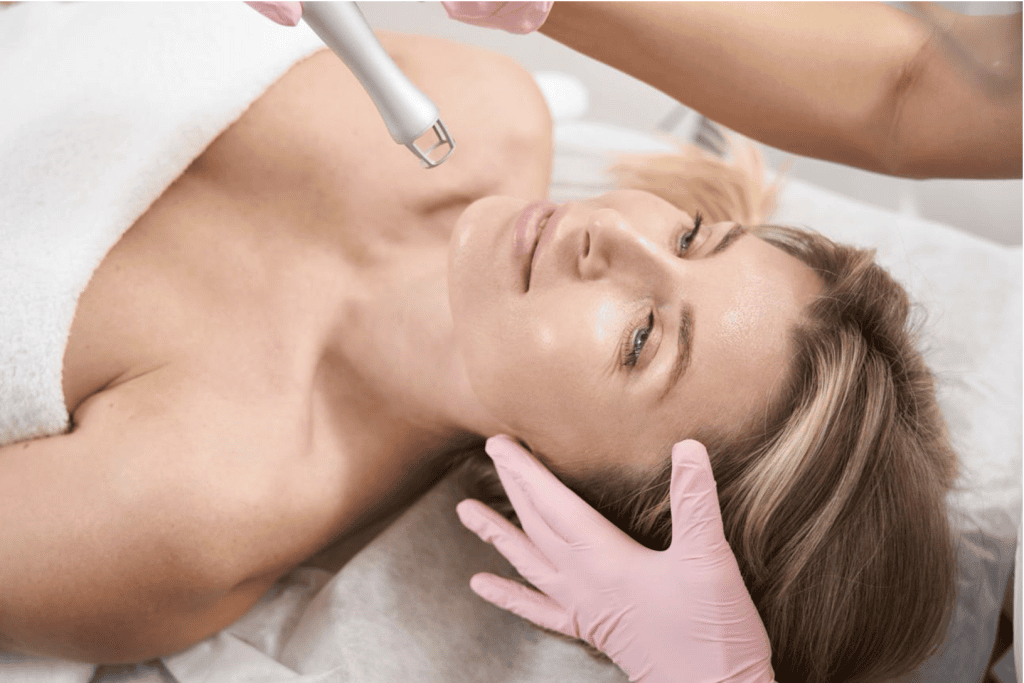
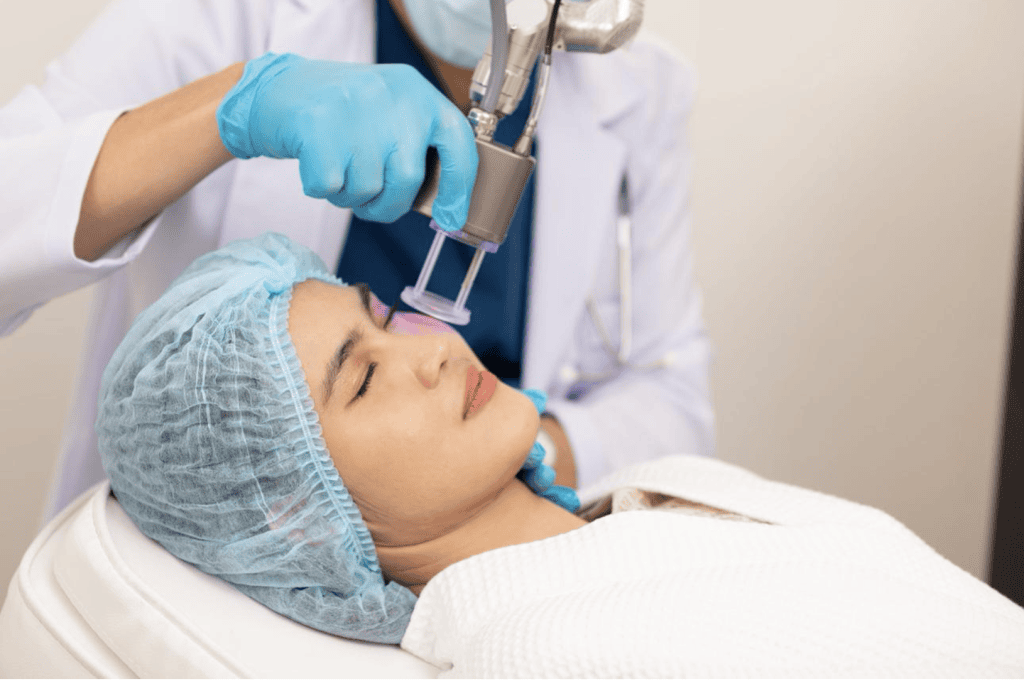
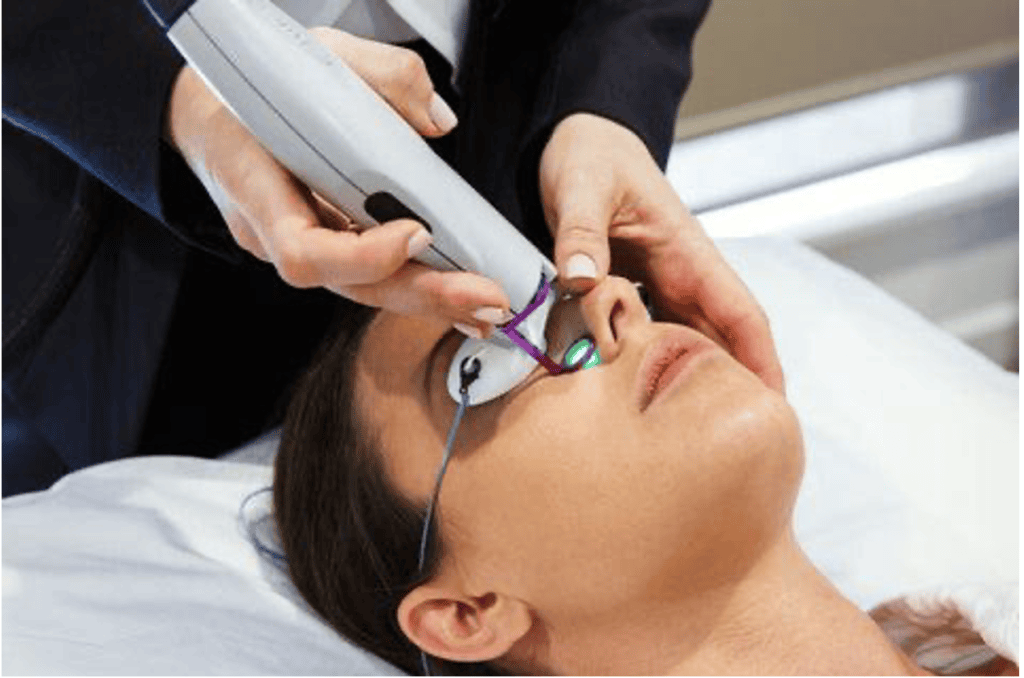
CO2 lasers work by delivering controlled laser energy into the skin.
This process:
Removes damaged surface layers
Stimulates collagen production
Encourages skin regeneration
Improves skin texture and tone
Fractional CO2 lasers create tiny treatment zones while leaving surrounding skin intact, helping support faster healing compared to older fully ablative approaches.
Research published in Dermatologic Surgery notes that fractional resurfacing techniques significantly improved safety and recovery outcomes compared to traditional ablative laser resurfacing.
Common Benefits of CO2 Laser Treatment
CO2 laser treatment is often chosen because it can address multiple skin concerns simultaneously.
Potential benefits may include:
Smoother skin texture
Reduction in fine lines and wrinkles
Improvement in acne scarring
More even skin tone
Increased collagen stimulation
Firmer-looking skin
Because the treatment stimulates deeper skin remodelling, results often continue improving gradually over several months as collagen production develops.
Understanding the Risks and Recovery Process
Despite its benefits, CO2 laser treatment is still considered an intensive resurfacing procedure.
Common short-term side effects may include:
Redness
Swelling
Tightness
Peeling
Temporary sensitivity
In some cases, there may also be risks of:
Post-inflammatory pigmentation
Infection
Prolonged redness
Scarring (rare)
The American Academy of Dermatology emphasises that appropriate patient selection, professional assessment, and aftercare are critical for minimising complications.
Recovery time varies depending on:
Treatment intensity
Skin type
Individual healing response
Depth of resurfacing performed
Why Proper Aftercare Matters
Post-treatment care plays a major role in both recovery and final outcomes.
Aftercare often focuses on:
Supporting skin barrier healing
Reducing inflammation
Avoiding excessive sun exposure
Maintaining hydration
Preventing unnecessary irritation
Research in the Journal of Clinical and Aesthetic Dermatology highlights that proper recovery management significantly improves treatment outcomes and reduces complications.
Sun protection is particularly important, as newly resurfaced skin is highly sensitive to UV exposure.
Is CO2 Laser Suitable for Everyone?
CO2 laser treatment is not necessarily suitable for every skin type or concern.
Factors considered may include:
Skin tone
Pigmentation risk
Active skin conditions
Recovery tolerance
Lifestyle factors
Previous treatment history
A personalised assessment is important to determine:
Whether CO2 laser is appropriate
Treatment intensity
Expected downtime
Alternative treatment options if needed
The MAEC Approach
At MAEC, treatment planning considers both the benefits and limitations of advanced laser procedures.
The focus is not simply on aggressive resurfacing, but on:
Appropriate treatment selection
Skin health and recovery
Long-term skin quality
Natural-looking outcomes over time
Where appropriate, combination approaches may also be considered to support more balanced and personalised results.
Conclusion
CO2 laser treatment remains one of the most effective options for improving skin texture, collagen stimulation, and visible signs of ageing.
However, understanding the recovery process, risks, and suitability of treatment is just as important as understanding the benefits themselves.
A more informed and personalised approach often leads to safer, more realistic, and more sustainable outcomes.
A Thought to Consider
Sometimes the best laser treatment is not the strongest one — but the one most appropriate for your skin and recovery goals.
Understanding both the benefits and recovery considerations of laser treatments may help guide more informed and balanced treatment decisions over time.









Leave a Reply