Skin rejuvenation is one of the most commonly discussed terms in aesthetic medicine, yet many people are still unsure what it actually means.
Contrary to popular belief, skin rejuvenation is not one specific treatment.
Instead, it refers to a range of treatments designed to improve:
Skin texture
Pigmentation
Collagen production
Elasticity
Overall skin quality
According to the American Society for Dermatologic Surgery, skin rejuvenation treatments aim to restore healthier skin function and improve visible signs of ageing or skin damage.
Modern skin rejuvenation focuses not only on appearance, but also on supporting long-term skin health.
Why Skin Changes Over Time
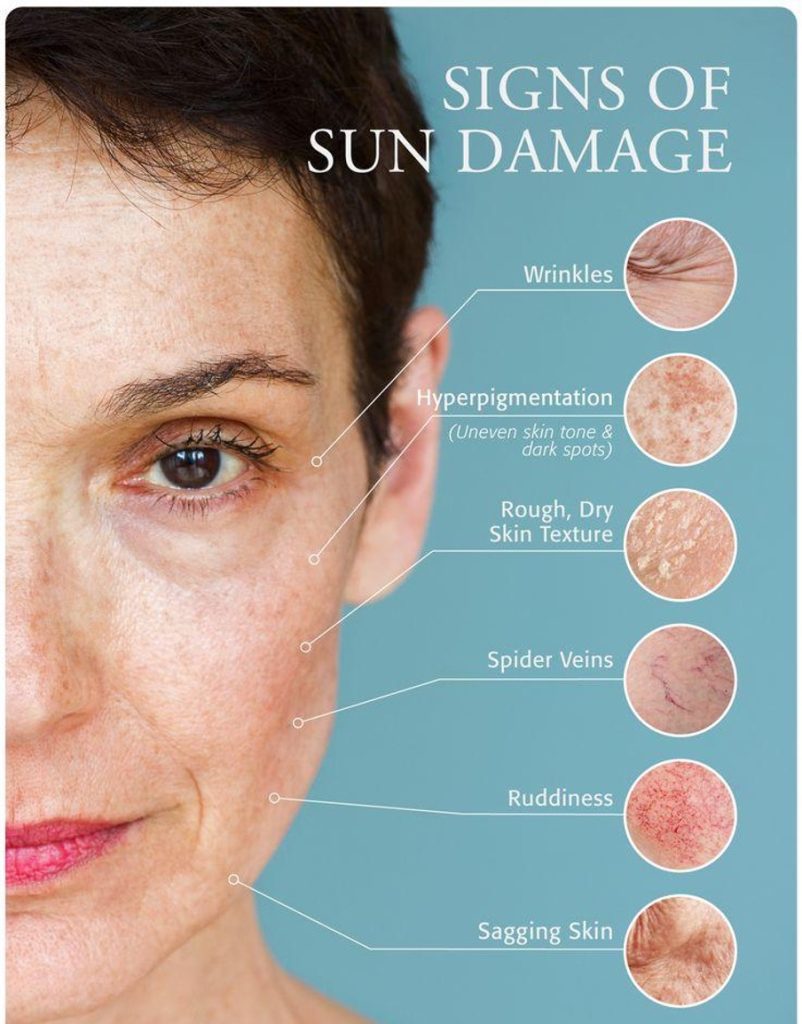
As we age, the skin naturally undergoes structural and functional changes.
These may include:
Collagen decline
Reduced elasticity
Uneven pigmentation
Slower skin renewal
Sun damage accumulation
External factors such as:
UV exposure
Pollution
Stress
Lifestyle habits
can accelerate these changes further.
Research from Harvard Medical School explains that both intrinsic ageing and environmental exposure contribute significantly to visible skin ageing over time.
How Skin Rejuvenation Works
Most skin rejuvenation treatments work by stimulating the skin’s natural repair and regeneration processes.
Depending on the treatment, this may involve:
Stimulating collagen production
Encouraging skin cell turnover
Reducing pigmentation
Improving skin texture
Supporting hydration and elasticity
Common skin rejuvenation approaches may include:
Laser treatments
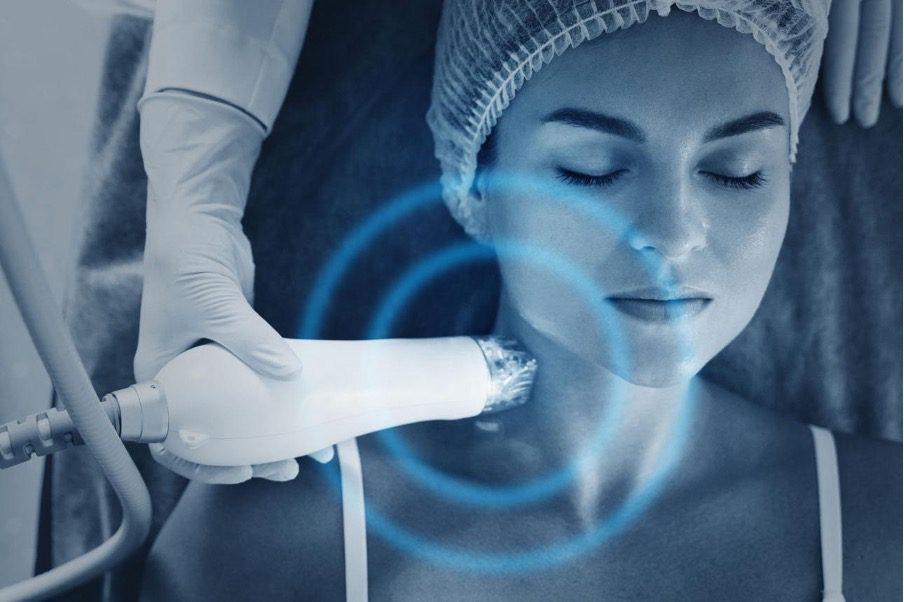
Radiofrequency therapies
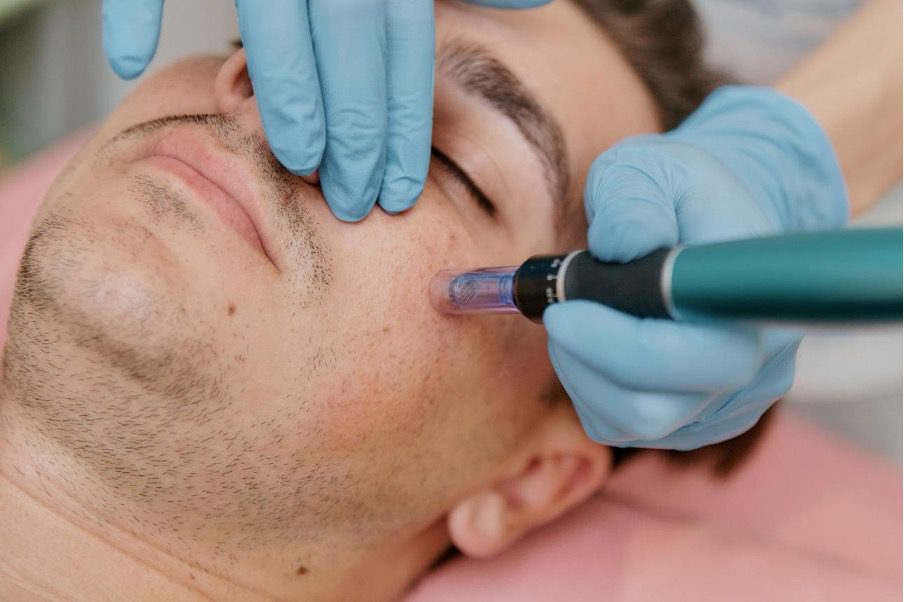
Microneedling
Skin resurfacing
Medical-grade skincare
The appropriate treatment depends on the individual’s skin condition, concerns, and goals.
Why Collagen Is So Important
Collagen is one of the key structural proteins responsible for keeping skin firm and resilient.
As collagen declines over time, the skin may begin to appear:
Thinner
Less elastic
Rougher
More lax
This is why many rejuvenation treatments focus heavily on stimulating collagen production rather than simply treating the surface.
A review in the Journal of Clinical and Aesthetic Dermatology notes that collagen-focused treatments can significantly improve long-term skin quality and skin structure.
Why Skin Rejuvenation Is Not “One Size Fits All”
Different skin concerns require different approaches.
For example:
Pigmentation may require pigment-targeting treatments
Texture concerns may respond better to resurfacing approaches
Skin laxity may require collagen stimulation
Acne scarring often benefits from combination treatments
This is why personalised treatment planning is important.
Modern aesthetic medicine increasingly focuses on combining treatments thoughtfully rather than relying on a single modality alone.
The MAEC Approach
At MAEC, skin rejuvenation is approached as a long-term strategy rather than a quick fix.
Treatment recommendations may involve:
Supporting collagen production
Improving skin quality gradually
Addressing pigmentation and texture concerns
Maintaining natural-looking results over time
The focus is not simply brighter skin temporarily, but healthier skin function and structure long term.
Conclusion
Skin rejuvenation is about more than simply improving appearance.
By supporting collagen, skin renewal, and overall skin quality, modern rejuvenation treatments aim to create healthier, stronger, and more resilient skin over time.
A Thought to Consider
Sometimes healthier-looking skin is not about changing the skin entirely — but helping it function more effectively again.
Understanding how skin rejuvenation works may help guide more realistic and personalised treatment decisions over time.



Leave a Reply