The Hidden Causes of Dull Skin (It’s Not Just Skincare)

Introduction

Dull skin is one of the most common concerns people experience, yet it is often misunderstood.

Many assume dullness is simply caused by:

  • Dry skin
  • Lack of exfoliation
  • Poor skincare products

While these factors can contribute, the appearance of dull skin is often influenced by much deeper internal and external processes.

According to research published in the International Journal of Cosmetic Science, skin radiance is closely linked to hydration, circulation, inflammation, collagen quality, and overall skin health.

This means glowing skin is rarely achieved through skincare products alone.

At MAEC, skin quality is approached more holistically — considering not only the surface of the skin, but the factors influencing it underneath as well.


What Actually Makes Skin Look “Dull”?

Healthy skin naturally reflects light evenly, creating brightness and clarity.

Dull skin, however, tends to appear:

  • Uneven
  • Tired
  • Flat
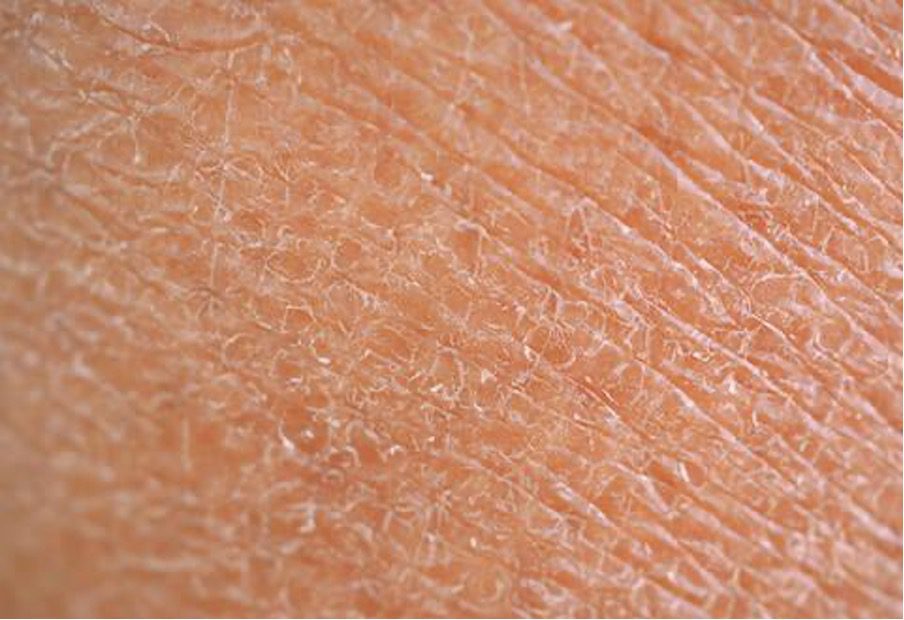
  • Rough
  • Less radiant

This can happen when:

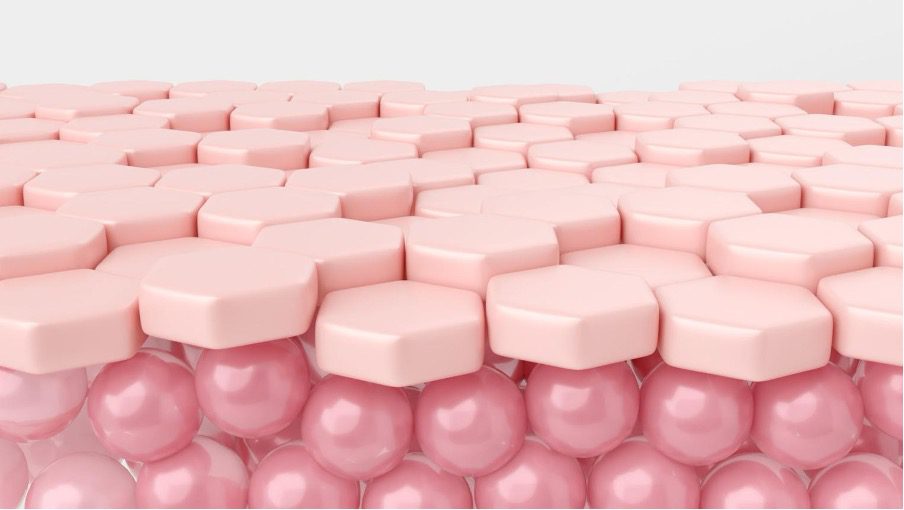
  • Dead skin cells accumulate
  • Hydration levels decrease
  • Collagen declines
  • Blood circulation slows
  • Inflammation increases

Over time, these changes affect how light reflects off the skin surface, reducing natural luminosity.

Dehydration and Skin Health

Hydration plays a major role in skin appearance.

When the skin becomes dehydrated, it may appear:

  • Drier
  • Rougher
  • More textured
  • Less reflective

Research from the Mayo Clinic highlights that hydration supports skin barrier function and overall skin resilience.

However, hydration is not only about topical products. Internal hydration, nutrition, and lifestyle factors also influence how the skin functions.

This is why some individuals continue to experience dullness despite maintaining a skincare routine.

Stress, Sleep, and Skin Appearance

The skin often reflects what is happening internally.

Poor sleep and chronic stress may contribute to:

  • Increased inflammation
  • Reduced skin repair
  • Impaired circulation
  • Slower collagen production

According to Harvard Medical School, sleep is an important period for skin recovery and regeneration.

When recovery processes are disrupted repeatedly, the skin may gradually appear more fatigued and less vibrant over time.

The Role of Collagen and Skin Renewal

Collagen and cell turnover also influence skin brightness significantly.

As collagen production declines with age:

  • Skin texture may become rougher
  • Elasticity reduces
  • Light reflects less evenly from the surface

At the same time, slower skin cell turnover can lead to accumulation of dull or damaged surface cells.

This is why treatments that support collagen production and skin renewal often improve overall radiance in addition to texture.

Why Skincare Alone May Not Always Be Enough

Skincare products remain important for maintaining skin health, but they have limitations.

Topical products generally work on the surface layers of the skin. If underlying factors such as:

  • Stress
  • Sleep
  • Hydration
  • Collagen decline
  • Inflammation

are not addressed, results may remain limited.

This is why aesthetic medicine increasingly focuses on combining:

  • Skincare
  • Skin rejuvenation treatments
  • Lifestyle support
  • Internal wellness approaches

to improve overall skin quality more comprehensively.

The MAEC Approach

At MAEC, skin quality is approached as a combination of:

  • Surface skin health
  • Collagen support
  • Hydration
  • Lifestyle influences
  • Long-term skin function

Treatment recommendations may involve:

  • Skin rejuvenation therapies
  • Collagen-supporting treatments
  • Hydration-focused approaches
  • Personalised skincare guidance

The goal is not simply brighter skin temporarily, but healthier skin over time.

Conclusion

Dull skin is often influenced by much more than skincare alone.

Hydration, stress, collagen levels, sleep quality, and overall skin function all contribute to how radiant the skin appears.

Understanding these underlying factors allows treatments and routines to become more targeted, balanced, and sustainable.

A Thought to Consider

Sometimes glowing skin is less about adding more products — and more about understanding what the skin is lacking underneath.

Looking beyond the surface of the skin may help guide more personalised and effective approaches to long-term skin health.

Sources

International Journal of Cosmetic Science – https://onlinelibrary.wiley.com/journal/14682494

Harvard Medical School – https://www.health.harvard.edu

Mayo Clinic – https://www.mayoclinic.org

American Academy of Dermatology (AAD) – https://www.aad.org

Journal of Cosmetic Dermatology – https://onlinelibrary.wiley.com/journal/14732165

Leave a Reply

Your email address will not be published. Required fields are marked *

arrow-up