Are At-Home Skincare Products Enough? When You Actually Need Clinical Treatments

Introduction

The skincare industry has grown rapidly over the last decade, with more products, ingredients, and trends available than ever before.

From retinol and vitamin C to exfoliating acids and collagen creams, many products promise smoother, brighter, and younger-looking skin.

While skincare products absolutely play an important role in maintaining skin health, there are limitations to what topical products alone can achieve.

According to the American Academy of Dermatology, over-the-counter skincare products are primarily designed for maintenance and mild improvement, whereas professional treatments are often required for deeper structural or long-term skin concerns.

Understanding the difference between maintenance and correction is important when deciding whether skincare alone is enough.


What Skincare Products Can Actually Do

Good skincare can help:

  • Support hydration
  • Improve skin barrier function
  • Brighten mild pigmentation
  • Reduce surface dryness
  • Improve overall skin maintenance

Active ingredients such as:

  • Retinoids
  • Vitamin C
  • Niacinamide
  • Hyaluronic acid

have strong scientific support for maintaining skin quality.

Research published in the Journal of Clinical and Aesthetic Dermatology highlights that consistent skincare can improve overall skin health and support preventative ageing strategies.

However, skincare products generally work on the superficial layers of the skin.

The Limitations of At-Home Skincare

There are certain concerns that topical products alone may struggle to significantly improve.

These may include:

  • Deep pigmentation
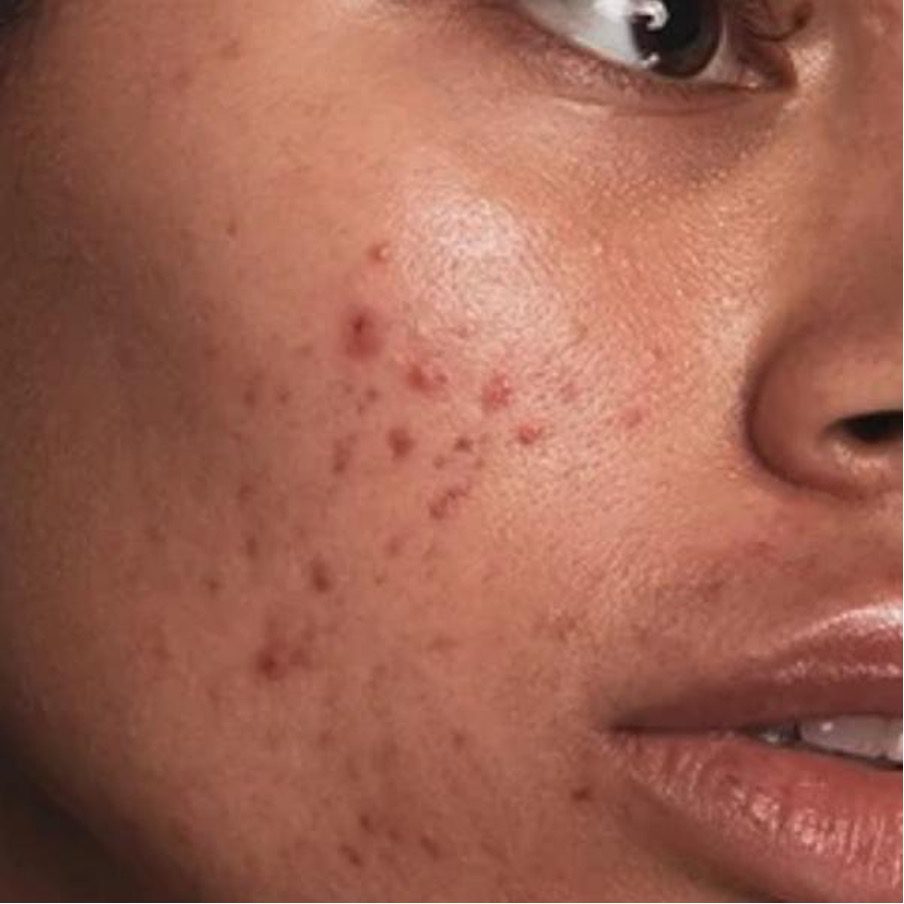
  • Acne scarring
  • Significant collagen loss
  • Skin laxity
  • Structural facial ageing

This is because many of these changes occur beneath the surface of the skin.

For example:

  • Collagen loss occurs deeper within the dermis
  • Acne scars often involve structural tissue changes
  • Skin laxity relates to support and elasticity beneath the skin surface

In these cases, clinical treatments may be required to stimulate deeper skin remodelling.

Why Clinical Treatments Work Differently

Professional treatments are designed to target deeper layers of the skin where structural changes occur.

These may include:

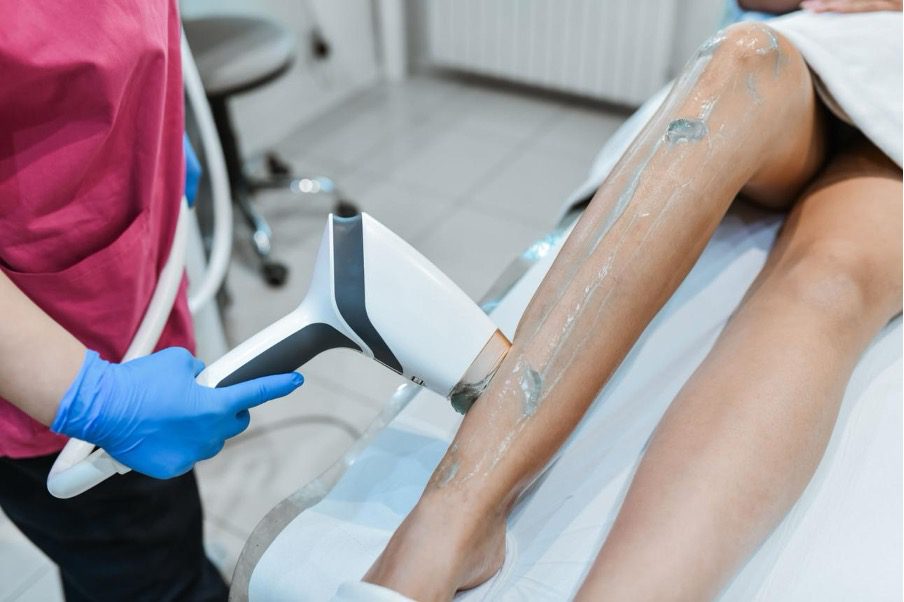
  • Laser treatments
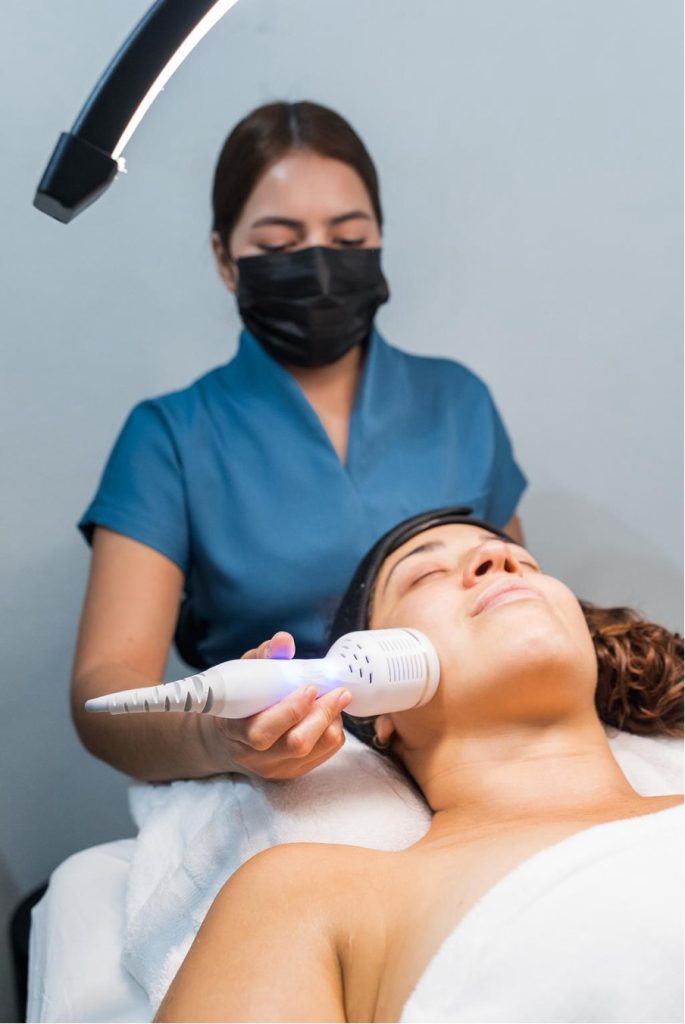
  • Radiofrequency therapies
  • Microneedling
  • Injectables
  • Collagen-stimulating treatments

Unlike topical products, these treatments may:

  • Stimulate collagen production
  • Improve structural support
  • Trigger deeper skin renewal
  • Address long-term ageing changes more effectively

A review in Dermatologic Surgery explains that collagen-stimulating procedures often produce more significant improvements in skin quality compared to topical products alone.

Combining Both Approaches

Rather than replacing skincare, professional treatments often work best alongside it.

A balanced approach may involve:

  • Daily skincare for maintenance
  • Clinical treatments for correction
  • Preventative therapies for long-term skin support

This combination allows:

  • Better maintenance of results
  • Improved skin resilience
  • More gradual and natural improvements over time

Modern aesthetic medicine increasingly focuses on maintaining skin quality consistently rather than relying on dramatic corrective treatments later.

The MAEC Approach

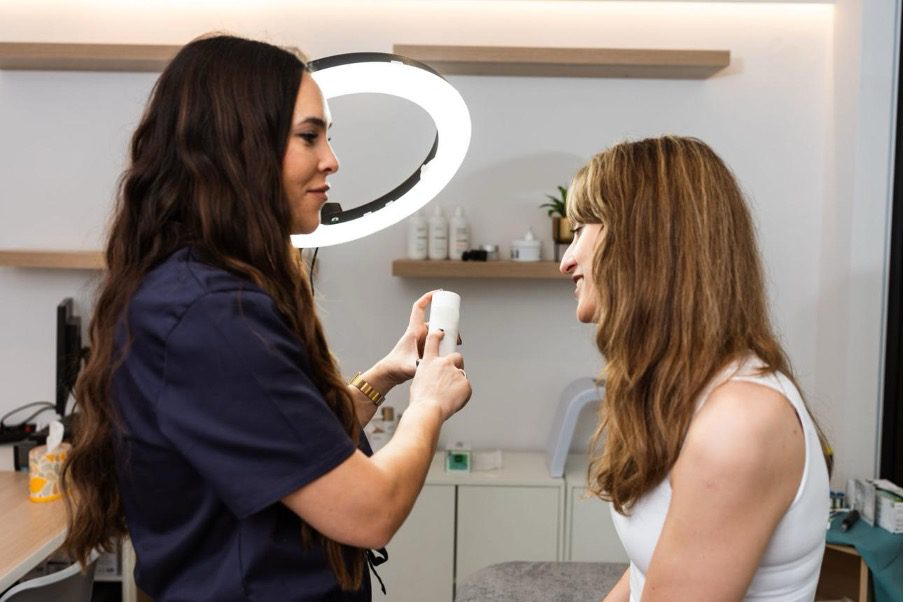
At MAEC, skincare and clinical treatments are viewed as complementary rather than competing approaches.

Treatment recommendations are based on:

  • Skin condition
  • Individual concerns
  • Skin health goals
  • Lifestyle and maintenance preferences

The aim is not simply to recommend more treatments, but to determine which approach is most appropriate for the individual.

Conclusion

Skincare products remain an important part of maintaining healthy skin, but they are not always enough to address deeper structural or long-term concerns.

Understanding the limitations of topical skincare helps create more realistic expectations and more effective treatment decisions over time.

A Thought to Consider

Sometimes the question isn’t whether skincare works — but whether it’s being asked to do more than it realistically can.

Understanding what skincare can and cannot achieve may help guide more balanced and personalised decisions around long-term skin health.

Sources

American Academy of Dermatology (AAD) – https://www.aad.org

Journal of Clinical and Aesthetic Dermatology – https://jcadonline.com

Dermatologic Surgery Journal – https://journals.lww.com/dermatologicsurgery

Mayo Clinic – https://www.mayoclinic.org

Journal of Cosmetic Dermatology – https://onlinelibrary.wiley.com/journal/14732165

Leave a Reply

Your email address will not be published. Required fields are marked *

arrow-up