Why Some People Age Faster Than Others (And What You Can Do About It)
Introduction
Ageing is a natural process, but it does not happen at the same pace for everyone.
Some individuals begin noticing:
Fine lines
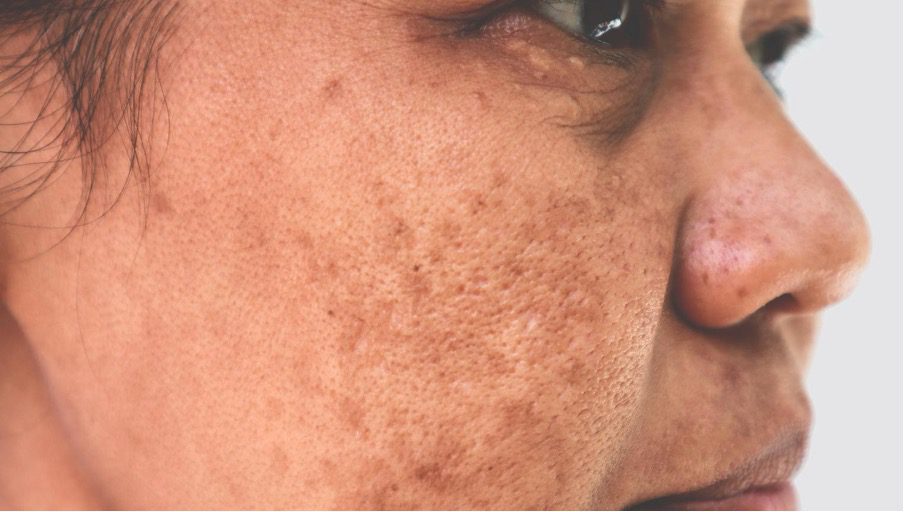
Pigmentation
Skin laxity
Dullness
Volume loss
much earlier than others.
While genetics certainly play a role, research increasingly shows that external and lifestyle-related factors heavily influence how quickly the skin ages.
According to the World Health Organization, environmental factors such as UV exposure and lifestyle behaviours can significantly accelerate visible skin ageing over time.
Understanding these influences may help individuals make more informed decisions about both prevention and treatment.
Intrinsic vs Extrinsic Ageing
Skin ageing is generally divided into two categories:
Intrinsic Ageing
This refers to natural biological ageing that occurs over time due to genetics and internal processes.
Extrinsic Ageing
This refers to ageing caused by external factors, including:
UV exposure
Smoking
Pollution
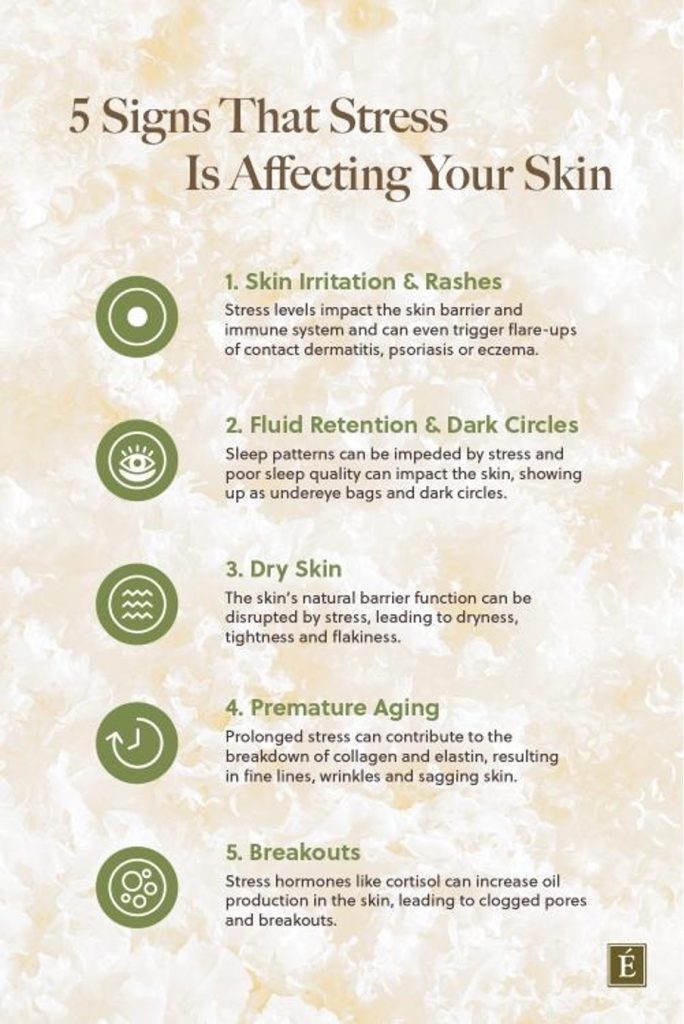
Stress
Poor sleep
Nutrition
Research published in Clinical, Cosmetic and Investigational Dermatology suggests that extrinsic ageing may contribute significantly more to visible skin ageing than genetics alone.
The Role of Sun Exposure
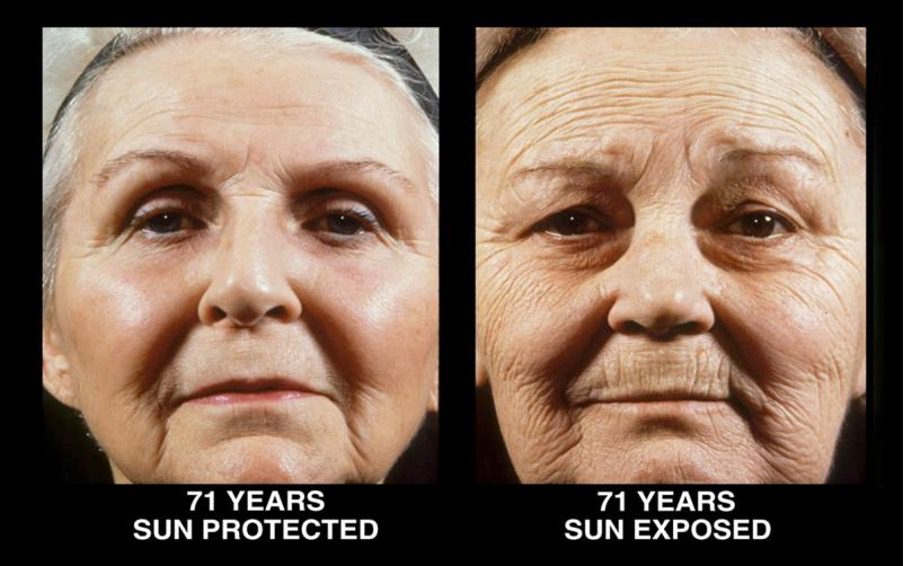
One of the most significant contributors to premature ageing is UV exposure.
The American Academy of Dermatology states that ultraviolet radiation accelerates:
Collagen breakdown
Pigmentation formation
Skin laxity
Fine lines and wrinkles
This process, often referred to as “photoageing,” can occur gradually over years of repeated exposure.
Daily sun protection remains one of the most effective preventative strategies for maintaining long-term skin health.
Lifestyle Factors That Influence Ageing
Beyond sun exposure, lifestyle choices also impact how the skin ages.
Stress and Sleep
Chronic stress and poor sleep may affect inflammation, skin repair, and overall skin quality.
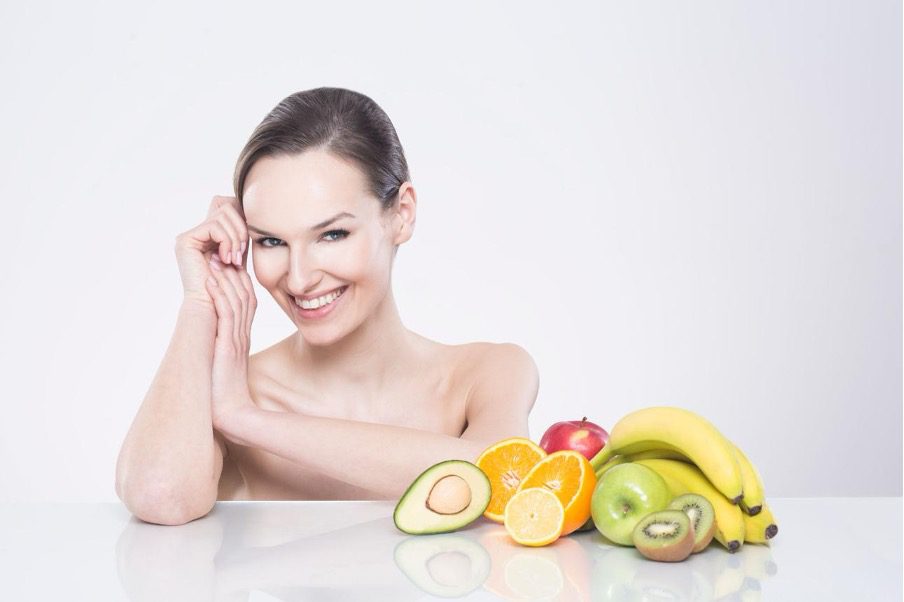
Nutrition and Hydration
The skin reflects overall health. Nutritional deficiencies and dehydration may contribute to dullness and reduced resilience.
Smoking
Smoking has been strongly associated with accelerated collagen breakdown and reduced circulation to the skin.
These factors collectively influence how quickly visible ageing changes develop.
Why Prevention Matters More Than Correction
Modern aesthetic medicine is increasingly shifting towards prevention rather than aggressive correction later.
Preventative strategies may include:
Consistent skincare
Sun protection
Collagen-supporting treatments
Healthy lifestyle habits
Early intervention when appropriate
This approach often produces:
More subtle outcomes
Gradual ageing management
Better long-term skin quality
The MAEC Approach
At MAEC, treatment planning considers both intrinsic and external factors contributing to skin ageing.
Rather than focusing only on visible concerns, the approach may involve:
Assessing lifestyle and skin health factors
Supporting collagen and skin quality
Combining preventative and corrective treatments
Maintaining natural-looking results over time
The aim is not simply to reverse ageing, but to support healthier and more balanced skin long term.
Conclusion
Ageing is influenced by far more than genetics alone.
Environmental exposure, lifestyle habits, and skin health all play significant roles in how quickly visible changes develop over time.
Understanding these factors allows treatments and preventative strategies to become more personalised, realistic, and sustainable.
A Thought to Consider
Sometimes the skin reflects not just how old we are — but how well we’ve supported it over time.
Understanding what influences skin ageing may help guide more thoughtful decisions around prevention, maintenance, and long-term skin health.





Leave a Reply