The Difference Between Treating the Skin vs Treating the Face
Introduction
When people think about aesthetic treatments, the focus is often placed on the skin itself — pigmentation, pores, wrinkles, or texture. While these concerns are important, facial ageing is far more complex than what appears on the surface.
Over time, ageing affects not only the skin, but also deeper structures including fat distribution, muscle activity, bone support, and collagen levels. This is why treating the skin alone may not always produce balanced or natural-looking outcomes.
According to research published in the Aesthetic Surgery Journal, facial ageing should be approached as a multi-layer process, rather than a surface-level concern.
At MAEC, treatment planning considers both skin quality and facial structure to create more harmonious and personalised outcomes.
Skin ageing refers to changes such as:
- Fine lines
- Pigmentation
- Loss of elasticity
- Rough texture
- Sun damage
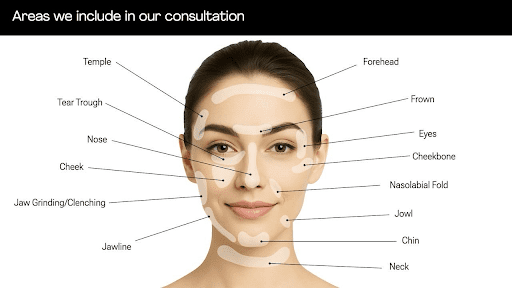
Facial ageing, however, extends beyond the surface.
It may include:
- Volume loss in the cheeks or temples
- Sagging around the jawline
- Hollowing under the eyes
- Changes in facial proportions
- Reduced structural support over time
Research from Harvard Medical School highlights that facial ageing involves progressive changes in both superficial and deep facial tissues, which is why many concerns cannot be addressed through skincare alone.

Why Surface Treatments Alone May Not Be Enough
Treatments focused only on the skin can improve texture and brightness, but they may not fully address deeper changes that contribute to a tired or aged appearance.
For example:
- Improving skin texture will not restore lost facial support
- Brightening pigmentation will not correct volume loss
- Tightening the skin alone may not rebalance facial proportions
This is where a more comprehensive approach becomes important.
A publication in Dermatologic Surgery notes that combining structural and skin-focused treatments often leads to more natural and longer-lasting results.
Understanding Facial Harmony
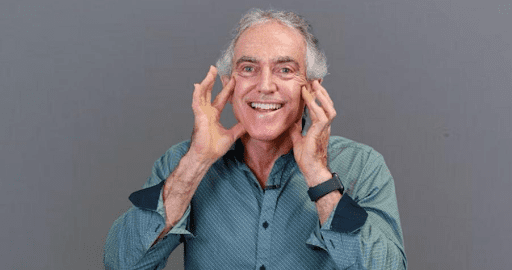
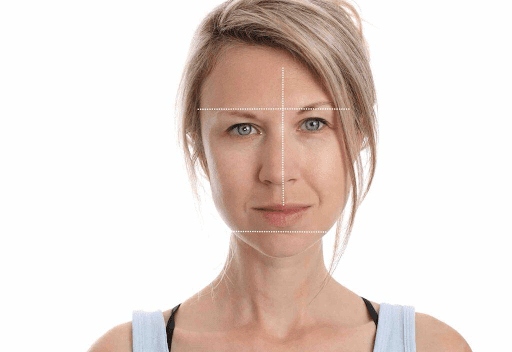
In aesthetic medicine, the goal is not simply to erase lines or change features. Increasingly, the focus has shifted towards preserving facial harmony and maintaining natural proportions.
This may involve:
- Supporting areas that have lost volume
- Improving skin quality and collagen
- Softening excessive muscle movement
- Enhancing overall balance rather than isolated areas
The American Society of Plastic Surgeons explains that modern aesthetic approaches prioritise “restoration and balance” rather than dramatic transformation.
The Role of Combination Treatments
Different concerns often require different modalities working together.
Depending on the individual, treatment plans may include:
- Energy-based treatments for collagen stimulation
- Injectables to support structure and soften movement
- Skin rejuvenation therapies for texture and pigmentation
- Preventative approaches to slow future ageing changes
A layered approach allows treatments to complement one another, producing results that appear more subtle and cohesive.
Why Natural Results Matter
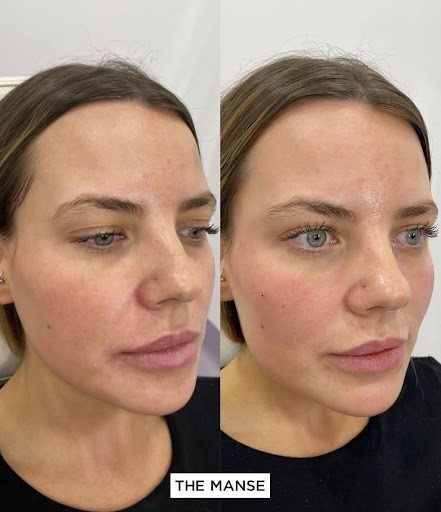
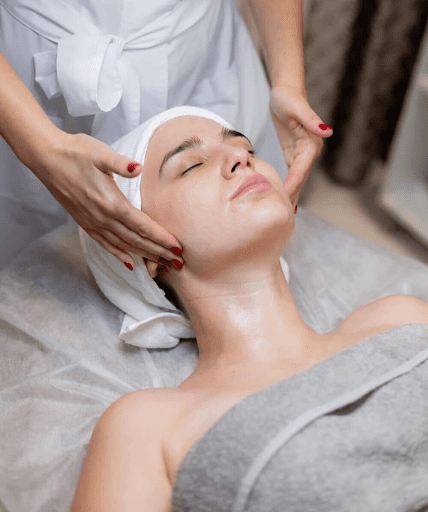
One of the biggest concerns patients have today is looking “overdone.”
Research published in the Journal of Cosmetic Dermatology found that patient satisfaction is strongly linked to results that preserve facial identity and natural expression.
Natural results are often achieved not by doing more, but by understanding:
- Facial proportions
- Ageing patterns
- Individual anatomy
- Appropriate treatment timing
The most effective treatments are usually the ones that are difficult to notice.
The MAEC Approach
At MAEC, treatment planning is centred around understanding the face as a whole rather than focusing on a single concern in isolation.
This includes:
- Assessing skin quality and texture
- Evaluating facial structure and balance
- Understanding ageing patterns unique to the individual
- Recommending gradual and personalised treatments
The aim is to create refreshed, balanced outcomes that still feel like you.
Conclusion
Treating the skin and treating the face are not the same thing.
While skin-focused treatments remain important, true facial rejuvenation often requires understanding deeper structural changes as well. A balanced approach allows treatments to work together more naturally and effectively over time.
A Thought to Consider
Sometimes the goal isn’t to change how you look — but to maintain the features that already make you recognisable.
Understanding what is contributing to facial ageing is often the first step towards choosing treatments more confidently and appropriately.
Sources
- Aesthetic Surgery Journal – https://academic.oup.com/asj
- Harvard Medical School – https://www.health.harvard.edu
- Dermatologic Surgery Journal – https://journals.lww.com/dermatologicsurgery
- Journal of Cosmetic Dermatology – https://onlinelibrary.wiley.com/journal/14732165
- American Society of Plastic Surgeons – https://www.plasticsurgery.org
Leave a Reply