
Why Treating Skin Without Diagnosis Leads to Poor Results
Many people begin their skin journey by focusing on what they can see — pigmentation, acne, dullness, or fine lines. Naturally, the next step is to look for a treatment that targets that concern.
However, one of the most common reasons treatments fail — or only deliver short-term results — is because they are chosen without a proper understanding of the underlying cause.
In aesthetic medicine, this concept is widely recognised. According to the American Academy of Dermatology (AAD), effective skin treatment begins with accurate diagnosis of the condition and its contributing factors, not just the visible symptoms.
At MAEC, this principle forms the foundation of how treatment plans are designed.
The Problem with “One-Treatment-Fits-All”


In many cases, treatments are chosen based on visible concerns alone. While this may provide temporary improvement, it often does not address the root issue.
For example:
Pigmentation may stem from sun exposure, hormonal changes, or inflammation
Acne may be influenced by hormones, bacteria, or lifestyle
Dull skin can reflect dehydration, stress, or internal imbalance
Clinical literature in the Journal of Clinical and Aesthetic Dermatology highlights that many skin conditions are multifactorial, meaning they require a combination of approaches rather than a single solution.
Treating them the same way often leads to inconsistent or recurring results.
Why the Root Cause Matters
Treating the skin without understanding the cause is similar to managing symptoms rather than resolving the condition.
When underlying triggers are not addressed:
Results tend to fade faster
Conditions may return over time
Treatments may need to be repeated unnecessarily
A review published in Dermatologic Surgery emphasises that long-term outcomes in aesthetic treatments are closely linked to identifying biological and environmental triggers, especially in pigmentation and acne-related conditions.
A more targeted approach leads to more stable and predictable results.
Common Examples in Aesthetic Treatments
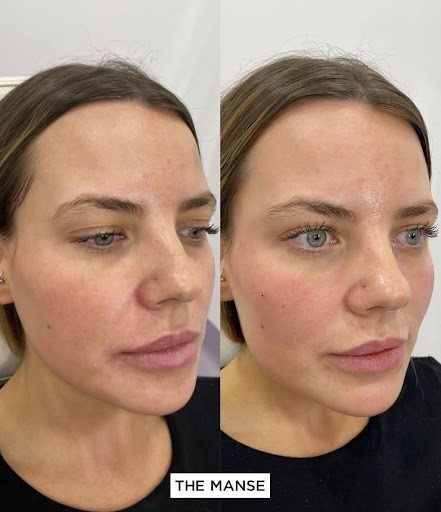
Pigmentation
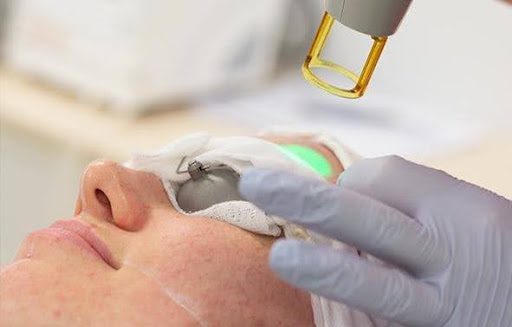
Conditions such as melasma are influenced by both UV exposure and hormonal factors. The British Association of Dermatologists notes that recurrence is common if these triggers are not managed alongside treatment.
Acne and Acne Scarring
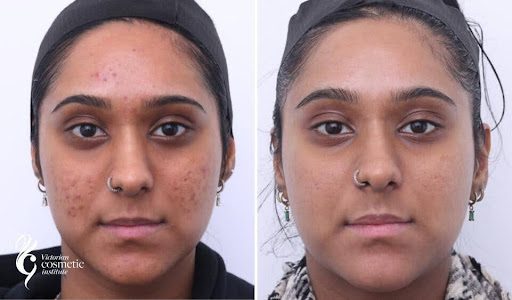
The American Academy of Dermatology outlines that effective acne management requires addressing multiple factors — including oil production, inflammation, and bacteria — rather than relying on a single treatment.
Skin Ageing
Research from Harvard Medical School highlights that ageing affects not only the surface of the skin, but also deeper structural layers, including collagen and fat distribution. This is why combining treatments often produces more natural results.
The MAEC Approach: Diagnosis First
At MAEC, treatment planning begins with a comprehensive assessment, not a standardised treatment menu.
This involves:
- Understanding your skin history and concerns
- Identifying internal and external contributing factors
- Assessing skin condition, structure, and ageing patterns
From there, a personalised plan may include:
- Energy-based treatments such as laser or radiofrequency
- Injectables to support structure and balance
- Skin-focused therapies
- Supportive approaches such as hydration and nutrient optimisation
This approach aligns with global best practices, where individualised treatment planning is considered essential for optimal outcomes.
Why Personalised Plans Deliver Better Results

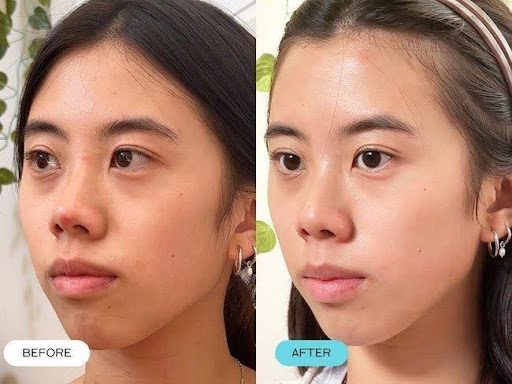

No two individuals have the same skin, and no single treatment works for everyone.
Research published in the Aesthetic Surgery Journal shows that personalised treatment strategies lead to higher patient satisfaction and more natural outcomes compared to standardised approaches.
A tailored plan allows for:
- More precise treatment selection
- Better consistency in results
- Adjustments over time as the skin changes
It also helps avoid unnecessary or excessive treatments, ensuring results remain balanced and natural.
Setting Realistic Expectations
An important part of any treatment journey is understanding what is achievable.
Some conditions require:
- Multiple sessions
- Combination treatments
- Time for visible improvement
Globally, experienced practitioners emphasise that gradual, layered improvements tend to produce the most natural and sustainable outcomes.
Setting Realistic Conclusion
Treating the skin is not simply about choosing a treatment — it is about understanding the condition, identifying its cause, and applying the right combination of therapies.
When treatment is guided by proper diagnosis, results are not only more effective — they are also more sustainable over time.
A Thought to Consider
Before choosing your next treatment, it may be worth asking a different question:
Are you treating the condition — or just what you can see?
Sources
- American Academy of Dermatology (AAD) – https://www.aad.org
- Journal of Clinical and Aesthetic Dermatology – https://jcadonline.com
- British Association of Dermatologists – https://www.bad.org.uk
- Dermatologic Surgery Journal – https://journals.lww.com/dermatologicsurgery
- Aesthetic Surgery Journal – https://academic.oup.com/asj
- Harvard Medical School – https://www.health.harvard.edu
Leave a Reply